Humidity on anthurium
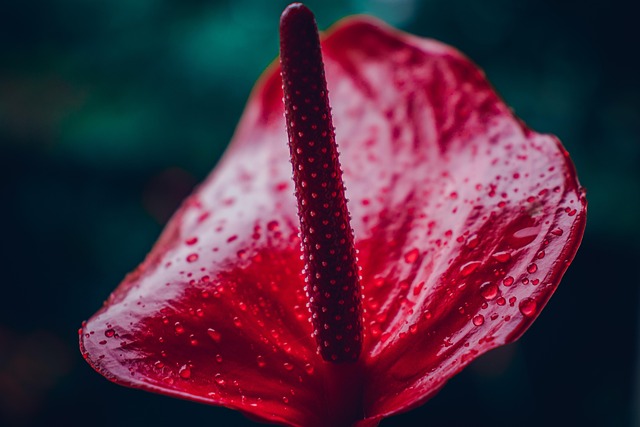
What's Happening
Anthuriums are tropical epiphytes requiring 60-80% relative humidity (RH) for optimal transpiration. When ambient humidity drops below 40%, the plant cannot maintain cellular turgor. Marginal and tip tissues—furthest from vascular supply—desiccate first, appearing as crispy brown edges. This differs from sunburn (patches on exposed surfaces) and root rot (soft tissue). Low humidity also stunts new leaf emergence, causing them to unfurl deformed or prematurely abort.
How to Fix It
- 1
Measure current RH: Use hygrometer—target 60-80%, minimum 50%
- 2
Stop misting: Misting provides only 15-30 minutes of elevated humidity and promotes fungal issues
- 3
Deploy humidifier: Small unit near Anthurium set to 60% RH
- 4
Create microclimate: Group with other tropicals; place on pebble tray with water
- 5
Trim crispy edges: Remove dried tissue for aesthetics; cannot reverse damage
- 6
Monitor new growth: Proper humidity enables smooth, unblemished leaf unfurling
How to Prevent It
Maintain 60%+ RH year-round; use humidifiers rather than misting; group plants to create microclimate via transpiration; position in bathrooms or kitchens where humidity naturally higher; use pebble trays with water (elevated above waterline); avoid placement near heating vents or air conditioners.