Flowering Care on begonia maculata
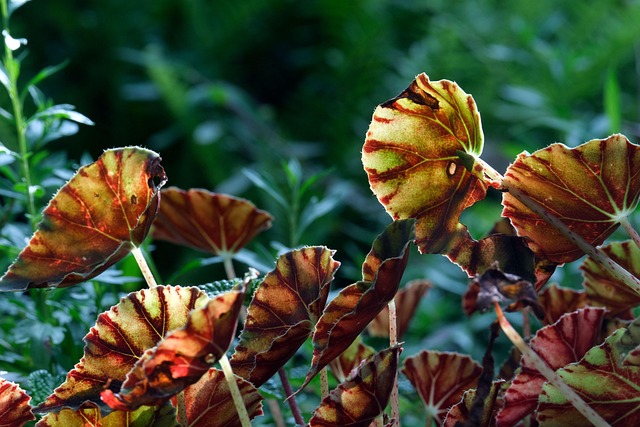
What's Happening
Begonia maculata flowering is regulated by the PEBP (phosphatidylethanolamine-binding protein) gene family, specifically FT-like genes that promote flowering and TFL1-like genes that repress it. Related Begonia semperflorens research shows these genes integrate multiple regulatory pathways including light-responsive, hormone-responsive (ABA, GA, JA), and stress elements. Begonia maculata produces delicate white or pale pink flower clusters on long stalks when environmental conditions trigger the flowering transition—primarily adequate light intensity (3000-5000 lux) and consistent care without stress.
How to Fix It
- 1
Provide bright indirect light 12-14 hours daily—east-facing window or LED grow lights at 3000-5000 lux
- 2
Maintain temperatures of 65-75°F consistently; cold drafts below 60°F inhibit flowering hormones
- 3
Fertilize with balanced 10-10-10 at 1/4 strength every 2 weeks during growing season (spring-fall)
- 4
Allow slight root-bound condition—flowering often triggered when roots fill pot 80%
- 5
Deadhead spent flowers by cutting stalk at base to redirect energy to new blooms
How to Prevent It
Avoid environmental stressors that activate TFL1-like flowering repressor genes: maintain stable humidity 60-80%, prevent root rot through proper drainage, and avoid frequent repotting which resets growth cycles. Provide consistent light without sudden intensity changes. Mature plants (12+ months) flower more reliably than juvenile specimens.