Humidity on begonia maculata
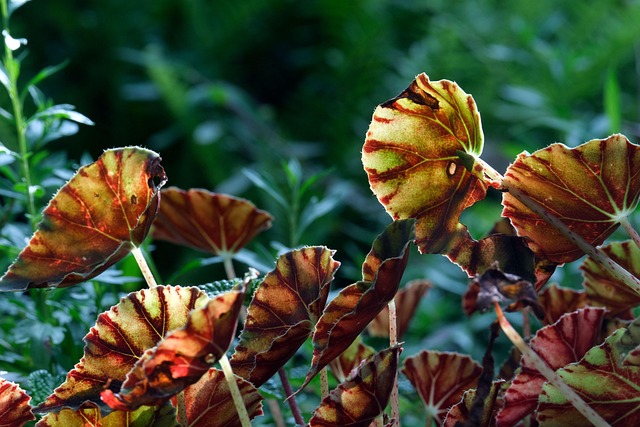
What's Happening
Begonia maculata evolved in Brazilian tropical forests with consistent 60-80% relative humidity. Its thin, asymmetric leaves with spotted pigmentation lack thick cuticles for water retention. When ambient humidity drops below 50%, transpiration rates exceed water uptake capacity, causing cellular dehydration and stomatal closure. Unlike succulents, Begonia maculata cannot regulate water loss through CAM photosynthesis, making low humidity the primary environmental stressor. Misting leaves creates water droplets that promote powdery mildew (Oidium spp.) and bacterial leaf spot (Xanthomonas), particularly on the waxy spotted foliage.
How to Fix It
- 1
Install ultrasonic humidifier within 1-2 feet of plant to maintain 60-70% RH without wetting foliage
- 2
Group with other humidity-loving plants to create passive microclimate via transpiration
- 3
Use pebble tray filled with water (water level below pebbles) to boost local humidity via evaporation
- 4
Monitor with digital hygrometer; automated humidifiers with hygrostat maintain consistent levels
- 5
Ensure good airflow with low-speed oscillating fan to prevent fungal issues in high humidity
How to Prevent It
Maintain 60-80% ambient humidity year-round using humidifiers or greenhouse cabinets. Avoid misting entirely— Begonia maculata's spotted leaves trap moisture promoting pathogens. Place away from heating vents and air conditioning that drop humidity below 40%. Monitor with hygrometer and adjust seasonally as indoor heating reduces winter humidity significantly.