Leaf Crisping on begonia maculata
What's Happening
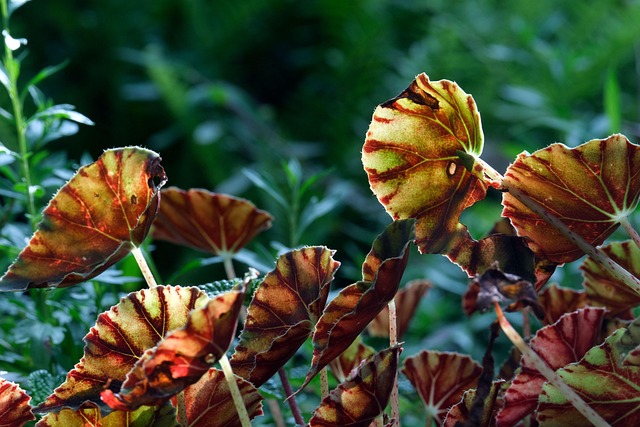
Begonia maculata leaf crisping presents with multiple etiologies requiring differential diagnosis. LOW HUMIDITY CRISPING: Affects leaf edges and tips first, progressing inward uniformly when RH drops below 45%. Cells lose turgor pressure from excessive transpiration. BACTERIAL LEAF SPOT (Xanthomonas axonopodis pv. begoniae): Angular water-soaked lesions that turn brown/black, often with yellow halos, vectored by fungus gnats and splashing water. POWDERY MILDEW (Oidium): White fuzzy patches on leaf surfaces thriving in high humidity with poor airflow. PHYSIOLOGICAL EDEMA: Blister-like corky spots from humidity over 80% with stagnant air causing cells to rupture.
How to Fix It
- 1
For humidity crisping: Increase RH to 60%+ using humidifier; trim affected edges with sterile scissors
- 2
For bacterial spot: Isolate plant immediately; remove infected leaves; apply copper-based bactericide; improve airflow with fan
- 3
For powdery mildew: Remove infected tissue; apply neem oil or potassium bicarbonate spray; reduce humidity slightly and increase ventilation
- 4
For edema: Reduce humidity to 60-70%; increase air circulation; avoid overwatering—allow top inch to dry
- 5
Prevention for all: Maintain 50-70% RH with consistent airflow using oscillating fan; bottom-water to avoid leaf wetness
How to Prevent It
Maintain optimal humidity range of 50-70%—too low causes edge crisping, too high promotes pathogens. Use digital hygrometer for monitoring. Ensure 6+ hours of gentle air circulation daily with small fan. Quarantine new plants for 14 days. Inspect weekly for early signs—intervene at first symptom before spread.