Fungal Infection on begonia
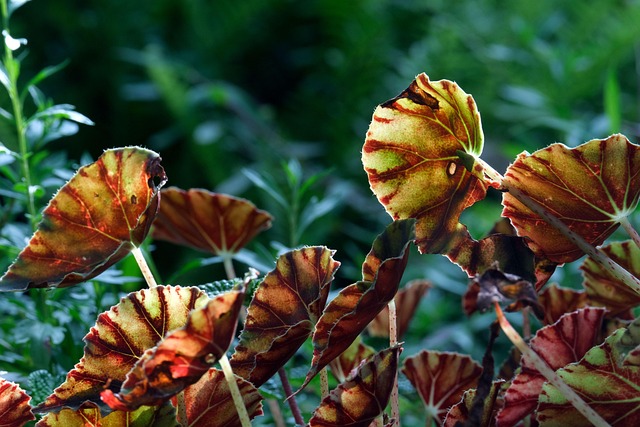
What's Happening
Botrytis cinerea (gray mold) colonizes begonia tissue when humidity exceeds 80% with poor air circulation, particularly affecting senescing flowers and damaged leaves. The fungus produces distinctive gray-brown fuzzy spore masses on leaf surfaces and stems. Unlike powdery mildew which prefers moderate humidity, botrytis thrives in cool, wet conditions where water sits on foliage for extended periods. Spores spread rapidly via water splash and air currents in enclosed growing spaces.
How to Fix It
- 1
Immediate pruning: Remove ALL affected tissue including flowers, leaves, and stem sections showing gray fuzz; cut 2 inches into healthy tissue to ensure complete removal
- 2
Disposal protocol: Place removed material in sealed bag and discard in trash (never compost); sterilize tools between cuts with 70% isopropyl alcohol
- 3
Fungicide application: Apply sulfur-based fungicide or copper spray covering all surfaces; repeat every 7-10 days for 4-6 weeks
- 4
Environmental correction: Reduce humidity to 50-60% using dehumidifier; increase airflow with fan positioned 3 feet away running 6+ hours daily
- 5
Watering adjustment: Switch to bottom-watering only; never allow water to contact leaves or crown; water in morning only allowing all-day drying
How to Prevent It
Maintain humidity 50-60% maximum; ensure 6+ hours daily air circulation via fan; remove spent flowers promptly; avoid overhead watering or misting; inspect weekly for early gray fuzz on older tissue; quarantine affected plants immediately upon detection