Powdery Mildew Baking Soda Treatment on begonia
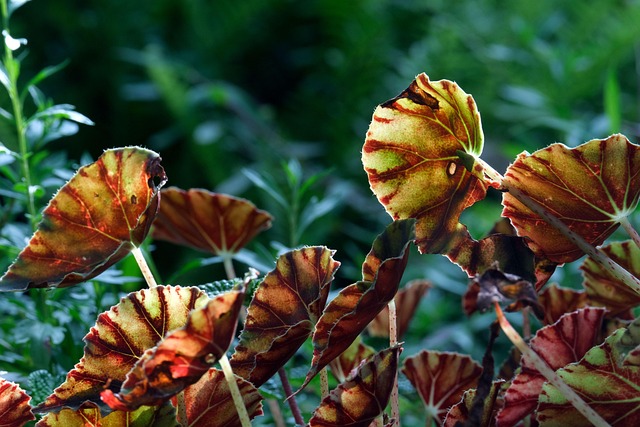
What's Happening
Powdery mildew fungi on begonias require specific pH conditions for spore germination and hyphal growth. Baking soda (sodium bicarbonate) and potassium bicarbonate create alkaline conditions (pH >8) on leaf surfaces that inhibit fungal enzyme activity while causing physical disruption to spore cell walls, providing an organic alternative to synthetic fungicides for begonia collections.
How to Fix It
- 1
Mix 1 tablespoon baking soda OR 2 teaspoons potassium bicarbonate per quart of water with 1/2 teaspoon mild dish soap as surfactant
- 2
Transfer to spray bottle and shake vigorously before each application to maintain suspension
- 3
Spray all leaf surfaces thoroughly, ensuring complete coverage of visible mildew patches and surrounding tissue
- 4
Apply weekly for 3-4 weeks, applying in evening or low-light conditions to maximize contact time without rapid drying
- 5
Gently dab excess solution from leaf crevices with Q-tip or paper towel to prevent residue buildup
How to Prevent It
Apply preventive baking soda spray every 2 weeks during high-humidity periods, maintaining 40-60% humidity and strong airflow to prevent conditions that favor fungal establishment.