Powdery Mildew Identification on begonia
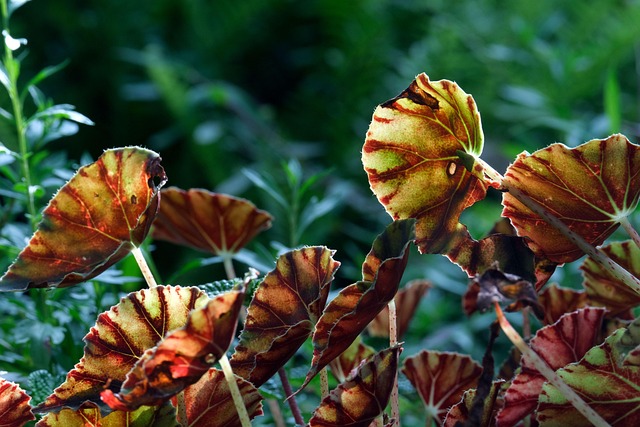
What's Happening
Powdery mildew on begonias is caused by Oidium begoniae and related Erysiphales fungi that thrive in conditions created by high humidity (>60%) combined with stagnant air circulation. Unlike root rot from overwatering, this fungal infection establishes on leaf surfaces when begonia foliage retains moisture in still, enclosed environments. The waxy, cupped leaves of begonias trap humidity pockets, creating ideal microclimates for spore germination when airflow is insufficient.
How to Fix It
- 1
Inspect leaves weekly for white powdery spots that rub off as dust-like residue, checking both upper and lower surfaces
- 2
Confirm diagnosis by gently rubbing suspected areas—true powdery mildew transfers as a white, talcum-like powder distinct from mineral residue
- 3
Immediately isolate affected plants to prevent airborne spore spread to other collection members
- 4
Remove and discard all infected leaves at first sign to eliminate spore reservoirs
- 5
Quarantine new plants for 2 weeks before introducing to collection to catch dormant infections
How to Prevent It
Maintain 40-60% relative humidity with constant gentle airflow from fans, ensure bright indirect light (2000-5000 lux), and space plants 12-18 inches apart to prevent moisture trapping in dense foliage clusters.