Powdery Mildew Neem Oil on begonia
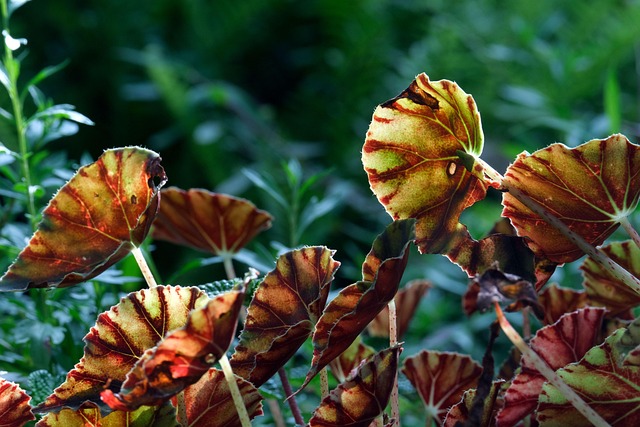
What's Happening
Powdery mildew on begonias colonizes leaf surfaces epiphytically without penetrating tissue immediately, making it responsive to contact fungicides like neem oil. The active compound azadirachtin disrupts fungal spore germination and mycelial growth while posing minimal phytotoxicity risk to begonias when properly diluted. However, neem alone often insufficient for severe infections; integration with baking soda creates alkaline surface conditions (pH >8) that inhibit fungal enzyme function.
How to Fix It
- 1
Solution preparation: Mix 1-2 teaspoons pure neem oil + 1 quart lukewarm water + 2-3 drops mild liquid soap (emulsifier) in spray bottle
- 2
Baking soda booster: Add 1 tablespoon baking soda per quart for alkaline pH enhancement that disrupts fungal cell walls
- 3
Application timing: Spray in early morning or evening only; never apply in direct sunlight or high heat to prevent leaf burn
- 4
Coverage technique: Thoroughly coat ALL leaf surfaces including undersides; pay special attention to new growth and stem joints where mildew concentrates
- 5
Frequency protocol: Apply every 7-10 days for 4-6 weeks minimum; continue 2 additional treatments after visible mildew disappears to eliminate residual spores
- 6
Alternation strategy: Alternate neem/baking soda weeks with copper fungicide weeks to prevent pathogen resistance development
How to Prevent It
Apply preventive neem spray every 14 days during high-risk periods (spring/fall humidity spikes); maintain 40-60% humidity; ensure constant airflow; avoid wetting leaves; inspect weekly for early white powder detection; treat immediately upon first sign rather than waiting for spread