Powdery Mildew Neem Treatment on begonia
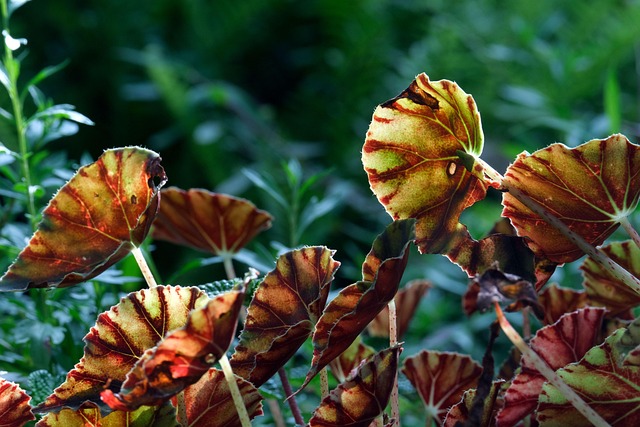
What's Happening
Powdery mildew establishes on begonia leaf surfaces when fungal spores germinate in humid, stagnant conditions. The azadirachtin compounds in neem oil disrupt fungal cell membrane formation and inhibit spore germination, providing both curative and preventive action against established infections on begonia foliage.
How to Fix It
- 1
Mix 1 teaspoon neem oil + 1 teaspoon mild liquid dish soap per quart of room-temperature water to create emulsified spray
- 2
Apply in early morning or evening only—never in direct light to prevent leaf burn from oil phototoxicity
- 3
Thoroughly coat all leaf surfaces including undersides where spores concentrate
- 4
Repeat applications every 7-14 days for 3-4 weeks until new growth emerges completely mildew-free
- 5
Ventilate room with open windows during and after application to dissipate strong odor and prevent respiratory irritation
How to Prevent It
Continue monthly preventive neem oil applications during humid seasons, alternating with other treatments to prevent resistance development while maintaining protective residue on foliage.