Powdery Mildew Prevention Airflow on begonia
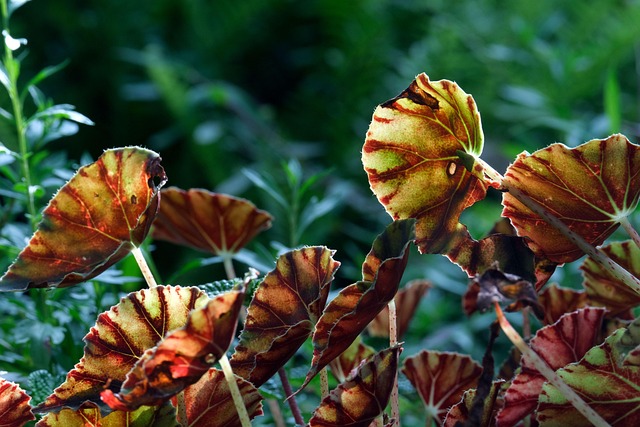
What's Happening
Begonias evolved in tropical understory environments with constant gentle air movement that prevents moisture accumulation on foliage. Indoor growing creates artificial microclimates where high humidity (>60%) combined with stagnant air allows powdery mildew spores to germinate and colonize leaf surfaces. The conflict between begonias' humidity requirements and fungal prevention is resolved through engineered airflow rather than humidity reduction alone.
How to Fix It
- 1
Install oscillating fan on low speed to provide continuous air movement—target 100-200 CFM circulation in grow space
- 2
Monitor humidity with digital hygrometer, maintaining 40-60% RH sweet spot that supports begonia health while inhibiting fungal growth
- 3
Space plants minimum 12-18 inches apart to prevent dense foliage from creating stagnant microclimates
- 4
Water at soil level only—avoid overhead watering or misting that wets leaves and extends surface moisture duration
- 5
Position fans to create gentle leaf movement without causing desiccation or physical damage to delicate begonia foliage
How to Prevent It
Design growing spaces with 20-30% open space for airflow pathways, use humidity trays or humidifiers with distilled water positioned away from direct leaf contact, and maintain bright indirect light (2000-5000 lux) to support plant vigor and natural disease resistance.