Root Rot Prevention Soil Mix on begonia
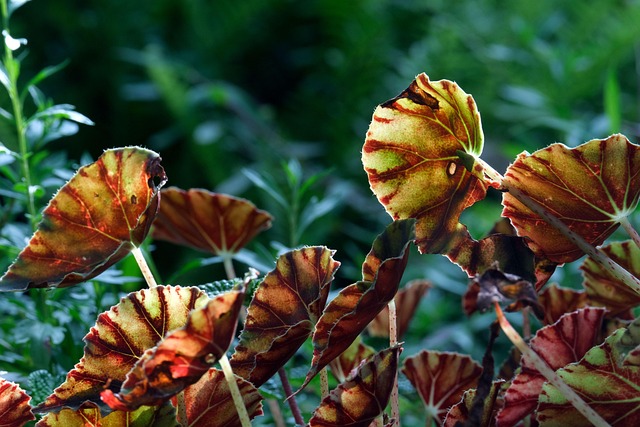
What's Happening
Standard peat-based potting mixes retain excessive moisture for begonia root systems, which evolved for rapid drainage in tropical leaf litter and rocky crevices. Over 2-3 months, peat particles compact creating anaerobic zones even with careful watering. The fine particle size prevents oxygen penetration to root hairs, while the organic matter hosts anaerobic bacteria that thrive in waterlogged microenvironments. Begonias require engineered soil mimicking their epiphytic/lithophytic native habitats.
How to Fix It
- 1
Base mix formulation: Combine 50% high-quality peat-based potting soil (organic matter and nutrient source)
- 2
Drainage amendment: Add 30% perlite or coarse pumice (creates air pockets, improves drainage)
- 3
Structural component: Incorporate 20% orchid bark or pine fines (maintains soil structure, prevents long-term compaction)
- 4
Optional enhancement: Add 10% horticultural charcoal to absorb excess moisture and prevent bacterial proliferation
- 5
Drainage verification: Test mix by watering thoroughly—water should exit drainage holes within 30 seconds; if slower, increase perlite ratio
- 6
Pot selection pairing: Use unglazed terracotta with drainage holes for moisture wicking through porous walls
How to Prevent It
Refresh soil mix every 12-18 months as organic components decompose; repot when roots circle pot >50%; avoid glazed ceramic or plastic pots without drainage; never use garden soil; bottom-water to control saturation; allow complete drying between waterings