Wind Adaptation on bird of paradise
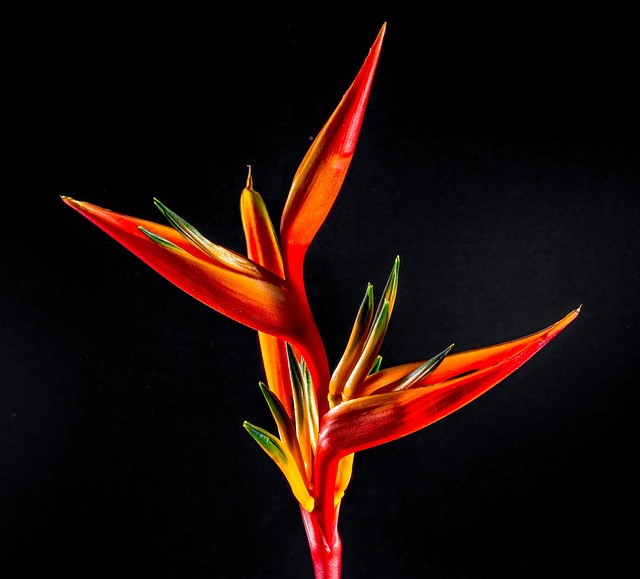
What's Happening
Bird of Paradise (Strelitzia) evolved in South African coastal regions with strong trade winds. Large paddle-shaped leaves developed natural perforations along lateral veins as an aerodynamic adaptation. These splits allow wind to pass through the leaf blade rather than catching and tearing tissue. Indoors, this evolutionary trait continues to express even without wind stress. The splits appear primarily along secondary veins where leaf tissue is naturally thinner and more flexible.
How to Fix It
- 1
Identify natural splits: Look for clean tears following leaf veins, typically symmetric on both sides of the midrib
- 2
Differentiate from damage: Natural splits have clean edges; damage shows browning, yellowing, or irregular tearing
- 3
Position away from direct airflow: Avoid HVAC vents and fans that may exacerbate existing splits
- 4
Maintain proper humidity: 50-60% humidity supports flexible leaf tissue that splits cleanly rather than tears
How to Prevent It
Accept natural splitting as a genetic trait—not a health issue. Splitting is normal and expected for mature Bird of Paradise plants. Focus on overall plant health rather than cosmetic perfection.