Cultivation-Historical on boston fern
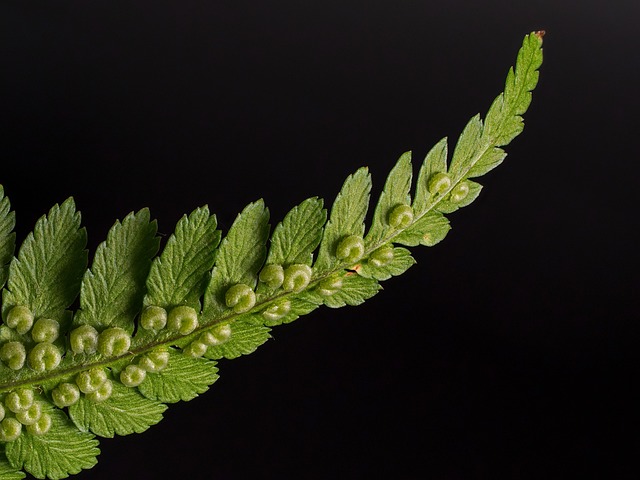
What's Happening
Boston fern (Nephrolepis exaltata) responds to historical 1860s British cultivation methods that replicate natural woodland floor conditions—shade tolerance, consistent moisture, and leaf-mold enriched soil mimic native habitat
How to Fix It
- 1
1. Propagate via division in early spring: separate rhizomes ensuring each has 3-4 growing points with attached roots; plant in 6-inch pots
- 2
2. Use soil mix: 50% peat moss, 30% leaf mold or composted pine needles, 20% perlite for drainage and acidity
- 3
3. Maintain humidity through morning misting (3-4 times weekly) rather than overhead watering to prevent crown rot and frond browning
- 4
4. Fertilize monthly with 10-10-10 at half strength during growing season; reduce to quarterly in winter dormancy
How to Prevent It
Replicate natural woodland floor: dappled shade (indirect north-facing window), consistent moisture without waterlogging, and leaf-mold enriched soil prevents root rot