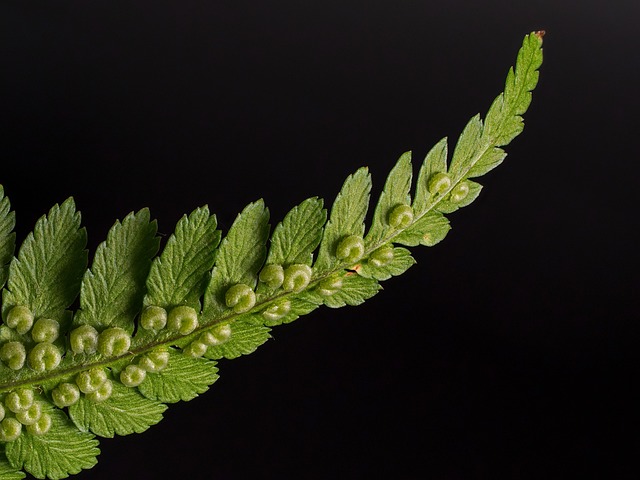
boston fern
Nephrolepis exaltata
Comprehensive care and diagnosis guide for the Boston Fern. Based on 9 verified community insights.
Care Requirements
At a Glance
Detailed care profile is currently being compiled by the Plant Grail swarm.
Start Here
Most Common Problems
Based on 9 analyzed cases — these are the issues you're most likely to encounter
Why does my Boston Fern have crispy-leaves?
Air humidity below 50% causes rapid transpiration that roots cannot compensate...
Why does my Boston Fern have crispy fronds?
Boston Fern (Nephrolepis exaltata) frond desiccation and browning occurs when...
Does my Boston Fern need more humidity?
Boston Fern (Nephrolepis exaltata) is the quintessential humidity-sensitive...
Why does my Boston Fern have cultivation-historical?
Boston fern (Nephrolepis exaltata) responds to historical 1860s British...
Why does my Boston Fern have contact dermatitis?
Nephrolepis exaltata 'Bostoniensis' contains compounds that trigger allergic...
Verified Data
All Diagnoses
Complete analysis of 9 cases for this variety. Select an entry to expand rescue protocols.
Environment (1)
Other Problems (1)
Symptoms (2)
Common Questions
Frequently Asked Questions
Why does my boston fern have Crispy-leaves?
Cause: Air humidity below 50% causes rapid transpiration that roots cannot compensate for, leading to desiccation and crispy, brown frond edges
Solution: Increase ambient humidity to 60-80% using humidifier or pebble tray
Prevention: Maintain consistent 60-80% relative humidity year-round; use hygrometer to monitor; avoid terracotta pots which accelerate moisture loss
92% confidence · View full protocol →
Why does my boston fern have Crispy fronds?
Cause: Boston Fern (Nephrolepis exaltata) frond desiccation and browning occurs when ambient relative humidity drops below 50-60% for extended periods. As a tropical epiphyte native to consistently humid environments (70-90% RH), the fern's thin, high-surface-area fronds lack thick cuticles for water retention. When indoor humidity—particularly in winter with heating systems—falls below this threshold, transpiration exceeds root water uptake, causing marginal necrosis (brown crispy tips) and progressive frond dieback.
Solution: Install a digital hygrometer within 3 feet of the fern to monitor ambient humidity levels
Prevention: Maintain consistent 60-80% relative humidity year-round using a hygrometer for monitoring. Position away from heating vents, air conditioners, and drafty windows. Group ferns with other tropical plants to create humidity microclimates.
88% confidence · View full protocol →
Why does my boston fern have Humidity?
Cause: Boston Fern (Nephrolepis exaltata) is the quintessential humidity-sensitive houseplant, requiring 60-80% relative humidity to maintain the lush, arching fronds that characterize healthy specimens. When humidity drops below 50%, the thin, finely-divided leaflets transpire moisture faster than the root system can replace it, causing progressive marginal browning starting at frond tips and working inward. Winter heating season is particularly problematic as forced-air systems reduce indoor humidity to 20-30%, creating conditions that stress even established specimens. The plant's epiphytic origins in tropical understories mean it evolved for consistent moisture without waterlogged roots—a balance that dry indoor air disrupts.
Solution: Install cool-mist humidifier set to 65-70% RH within 6 feet of fern—run continuously during winter
Prevention: Maintain consistent 60-80% RH year-round using multiple humidity strategies: humidifiers for large spaces, pebble trays for individual specimens, and plant grouping for microclimate effects. Position away from heating vents and air currents. Monitor with digital hygrometer placed at plant level. Increase humidity proactively in October before heating season begins.
88% confidence · View full protocol →
Why does my boston fern have Cultivation-historical?
Cause: Boston fern (Nephrolepis exaltata) responds to historical 1860s British cultivation methods that replicate natural woodland floor conditions—shade tolerance, consistent moisture, and leaf-mold enriched soil mimic native habitat
Solution: 1. Propagate via division in early spring: separate rhizomes ensuring each has 3-4 growing points with attached roots; plant in 6-inch pots
Prevention: Replicate natural woodland floor: dappled shade (indirect north-facing window), consistent moisture without waterlogging, and leaf-mold enriched soil prevents root rot
80% confidence · View full protocol →
Why does my boston fern have Contact dermatitis?
Cause: Nephrolepis exaltata 'Bostoniensis' contains compounds that trigger allergic contact dermatitis in sensitive individuals. Handling fronds, especially during pruning or repotting, can cause skin irritation characterized by redness, itching, and in severe cases, blistering. The allergen resides in frond tissue and spore structures.
Solution: Wash hands thoroughly with soap and water after handling Boston Fern
Prevention: Always use gloves for extended Boston Fern handling. Keep hand sanitizer or soap nearby during care sessions. Inform household members of potential dermatitis risk. Discontinue direct handling if previous reactions occurred.
85% confidence · View full protocol →