Humidity on boston fern
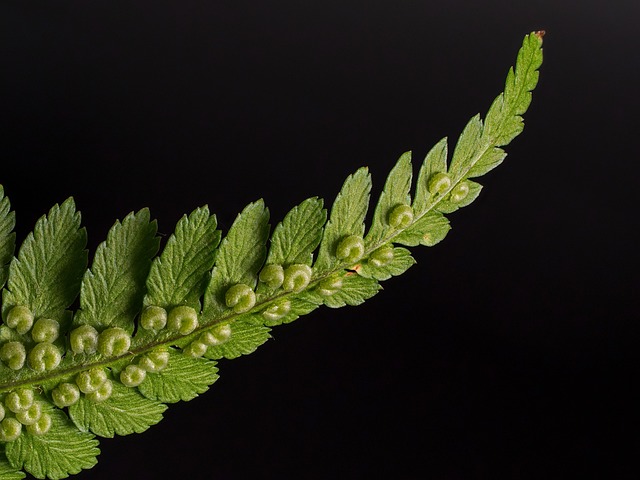
What's Happening
Boston Fern (Nephrolepis exaltata) is the quintessential humidity-sensitive houseplant, requiring 60-80% relative humidity to maintain the lush, arching fronds that characterize healthy specimens. When humidity drops below 50%, the thin, finely-divided leaflets transpire moisture faster than the root system can replace it, causing progressive marginal browning starting at frond tips and working inward. Winter heating season is particularly problematic as forced-air systems reduce indoor humidity to 20-30%, creating conditions that stress even established specimens. The plant's epiphytic origins in tropical understories mean it evolved for consistent moisture without waterlogged roots—a balance that dry indoor air disrupts.
How to Fix It
- 1
Install cool-mist humidifier set to 65-70% RH within 6 feet of fern—run continuously during winter
- 2
Create pebble tray: Fill large saucer with pebbles, add water to just below pebble tops, place fern pot on top (evaporation adds localized humidity)
- 3
Relocate to bathroom with bright indirect light during daily showers—steam provides 70-90% RH boost
- 4
Group with 3+ other tropical plants within 12-inch radius—collective transpiration raises humidity 10-15%
- 5
Mist fronds 2-3x daily with room-temperature distilled water for emergency relief (supplement, not substitute)
- 6
Water consistently when top 1 inch of soil dries—avoid both drought stress and waterlogging
- 7
Trim brown frond tips with sterile scissors, cutting at natural leaflet junction to maintain appearance
- 8
Fertilize monthly with diluted balanced fertilizer (1/4 strength) during growing season to support recovery
- 9
Inspect for spider mites in dry conditions—low humidity attracts these pests that compound frond damage
How to Prevent It
Maintain consistent 60-80% RH year-round using multiple humidity strategies: humidifiers for large spaces, pebble trays for individual specimens, and plant grouping for microclimate effects. Position away from heating vents and air currents. Monitor with digital hygrometer placed at plant level. Increase humidity proactively in October before heating season begins.