Cup Drainage Confusion on bromeliad
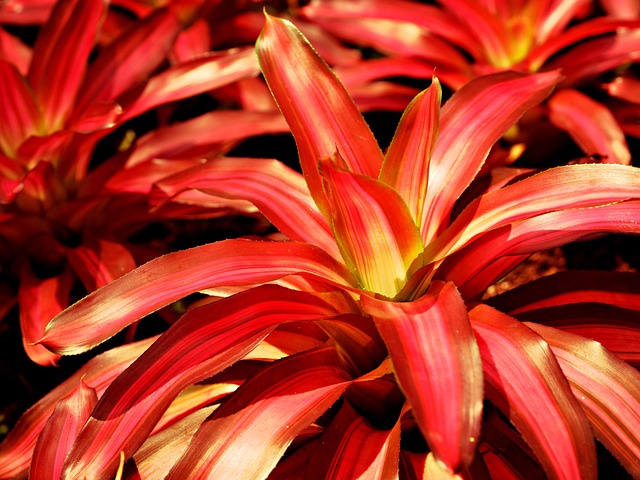
What's Happening
New bromeliad owners often mistake normal cup percolation for a leak. Water poured into the central tank of potted bromeliads slowly drains through leaf axils into the potting medium—this is normal delayed drainage, not a defect. True tank leaks show immediate gushing from split leaves or damaged tissue. Understanding this distinction prevents unnecessary repotting or plant return.
How to Fix It
- 1
Observe drainage pattern: Slow seepage over 5-30 minutes = normal percolation; immediate gush = damaged cup
- 2
If percolation concerns you: add sphagnum moss to cup base to slow drainage, or mount plant epiphytically
- 3
For true leaks from split leaves: reduce cup water level to 1/4 full, propagate healthy offsets
- 4
When repotting: check for well-formed rosette cup; immature plants drain faster until cup develops
How to Prevent It
Select mature plants with tight, well-formed rosette cups. Use epiphytic mounting (wood/bark) instead of pots to eliminate percolation confusion entirely. Understand that some water reaching roots via percolation is beneficial in potted culture.