Low Humidity on calathea
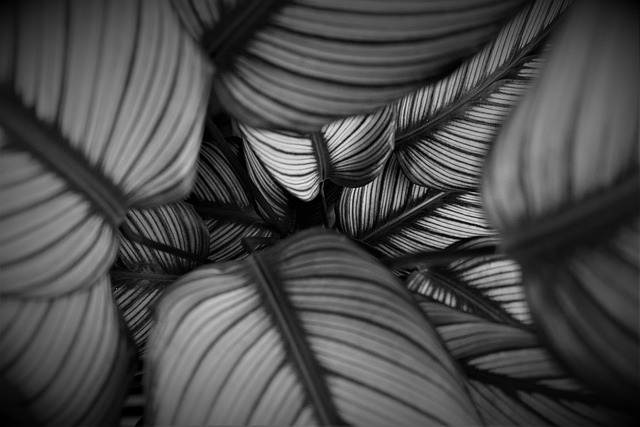
What's Happening
Calatheas are native to Neotropical understories where humidity consistently ranges 70-90%. Indoor environments—especially heated/cooled spaces—typically maintain 30-50% relative humidity, creating severe desiccation stress. The plant's large, thin leaves evolved for humid air where transpiration is balanced by constant atmospheric moisture. In dry air, transpiration exceeds root uptake capacity, causing cellular dehydration. Initial symptoms include leaf curling, crispy brown edges, and reduced prayer movement. Chronic low humidity (<40%) leads to stunted growth, yellowing, and vulnerability to spider mites. Unlike drought-tolerant plants, Calatheas lack thick cuticles or water storage tissue, making them humidity-dependent for survival.
How to Fix It
- 1
Immediate intervention: Install cool-mist humidifier within 3 feet of plant; run 8-12 hours daily maintaining 60-80% RH
- 2
Pebble tray method: Place pot on tray filled with pebbles and water (level below pebbles); increases local humidity 10-15%
- 3
Group plants: Cluster 3+ tropical plants together to create humidity microclimate through collective transpiration
- 4
Bathroom relocation: Move plant to bathroom with shower if humidity consistently above 60%
- 5
Humidity dome: For severely stressed plants, cover with clear plastic bag or dome with ventilation holes for 2-3 weeks
- 6
Monitor with hygrometer: Place digital hygrometer near plant; target 60-80% RH; adjust humidifier output accordingly
How to Prevent It
Maintain 60-80% ambient humidity year-round using humidifiers; avoid placement near heating/cooling vents, radiators, or drafty windows; group tropical plants; use pebble trays as supplementary humidity; run humidifier on timer during heating season; never rely on misting (causes leaf burn and fungal issues).