Low Humidity on croton
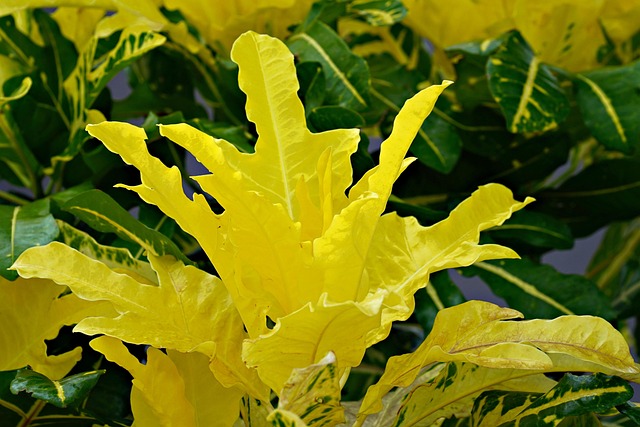
What's Happening
Low humidity stress in Croton (Codiaeum variegatum) develops when ambient relative humidity drops below 40-50%, common in heated or air-conditioned indoor environments. Native to tropical regions with 70%+ humidity year-round, crotons experience high vapor pressure deficit (VPD) in dry air that accelerates transpiration beyond root uptake capacity. Stomata close to conserve water, triggering ethylene-mediated leaf abscission. Chronic low humidity also weakens the plant's defenses, predisposing it to spider mite infestations that thrive in dry conditions.
How to Fix It
- 1
Measure current humidity: Place digital hygrometer at plant level for 24-hour reading—below 40% confirms diagnosis
- 2
Deploy humidifier: Use cool-mist humidifier near plants set to 60% target; run continuously in winter heating season
- 3
Create pebble tray: Fill shallow tray with pebbles and water; set pot on top so base is above water line—evaporative humidity
- 4
Group plants: Cluster tropicals together; collective transpiration raises local humidity 10-15%
- 5
Relocate away from heat sources: Move 3+ feet from radiators, heat vents, or space heaters
- 6
Misting is insufficient: Daily misting evaporates in minutes—rely on ambient humidity methods instead
- 7
Check for secondary issues: Low humidity often coincides with spider mite infestations—inspect with 10x loupe
How to Prevent It
Maintain 50-70% RH consistently: Use humidifier with hygrometer feedback, pebble trays with water below pot level (not touching), or group plants to create microclimate. Avoid placement near heat vents, radiators, or air conditioning units that create localized dry zones. Monitor with digital hygrometer placed at plant level.