Native-Habitat on calathea
What's Happening
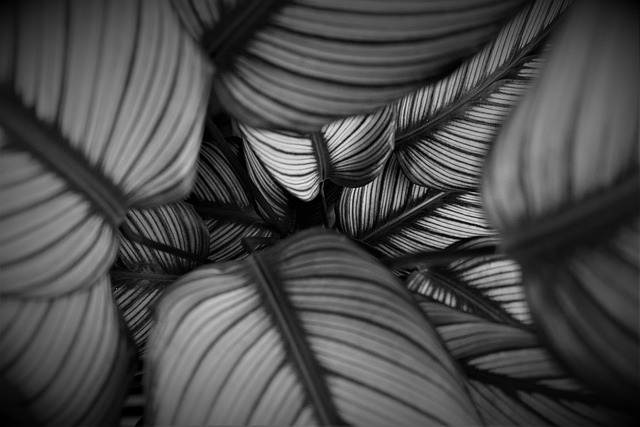
Calathea species are native to the tropical Americas, with their natural range extending from Central America through South America. They are quintessential rainforest floor plants, thriving in the shaded understory of tropical forests where they are protected by the canopy of taller trees. Their evolution in these low-light, high-humidity environments shaped their distinctive large, patterned leaves that maximize light absorption.
How to Fix It
- 1
1. Understand that significant populations exist in Brazil, Colombia, Peru, Bolivia, and throughout the Amazon Basin.
- 2
2. Recognize that these plants require conditions mimicking their native understory habitat: filtered indirect light, consistently high humidity (60-80%), warm temperatures (65-80°F), and protection from direct sunlight which would scorch their leaves.
- 3
3. Note that in their native habitat, Calathea leaves can trap water (phytotelmata), creating specialized microhabitats for various small invertebrates—contributing to rainforest biodiversity.
- 4
4. Acknowledge that their nyctinastic movement (folding leaves at night) is an adaptation to conserve moisture and catch dew in their humid native environment.
How to Prevent It
Maintain indoor conditions that replicate the tropical understory: place in bright indirect light, use humidifiers or pebble trays to maintain 60%+ humidity, keep soil consistently moist but not waterlogged, and avoid cold drafts or temperature fluctuations.