Native Habitat on snake plant
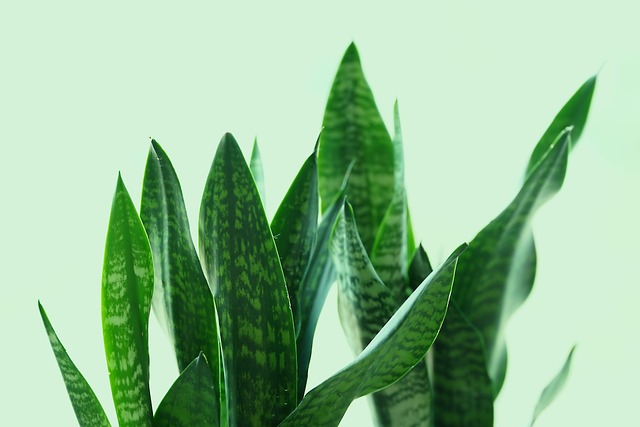
What's Happening
Sansevieria trifasciata (Dracaena trifasciata) is native to the tropical forest understory of West and Central Africa, with documented populations in Cameroon, Central African Republic, Congo, Equatorial Guinea, Gabon, Nigeria, Tanzania, and DR Congo. The species evolved in shaded forest floor environments with dappled light penetration through dense canopy layers.
How to Fix It
- 1
Provide bright indirect light mimicking forest understory (2,000-5,000 lux)
- 2
Maintain well-draining soil replicating rocky forest floor conditions
- 3
Allow extended dry periods between waterings (3-4 weeks) matching seasonal rainfall patterns
- 4
Group plants to create humidity microclimates (50-70%) similar to forest understory
How to Prevent It
Avoid direct sunlight which exceeds the 60,000 lux maximum tolerance evolved for shaded understory conditions. Use chunky, well-aerated soil mixes that replicate the loose organic matter and rocky substrate of native forest floors.
Related Problems
Same Problem on Other Plants
Go Deeper
This is covered in-depth in the snake plant Mastery Pack — structured modules with video walkthroughs, advanced protocols, and rescue timelines.
Get the Mastery Pack — $37 →