
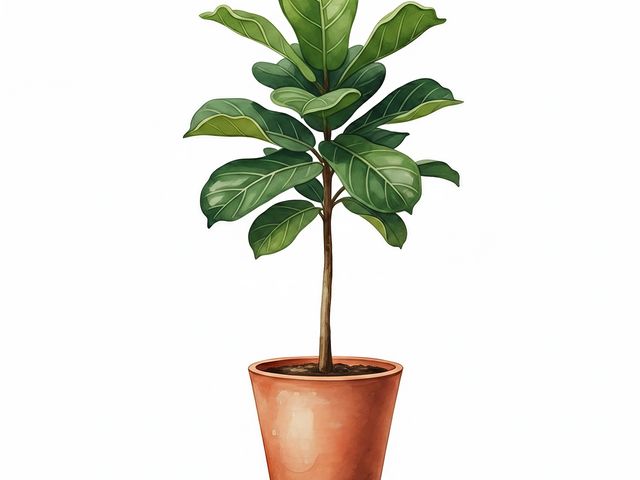
crassula
Evidence-based care guide for Crassula (). Covers disease treatment and watering. Our analysis draws from 2 verified community cases with an average confidence score of 88%. Each protocol is synthesized from real rescue outcomes, not generic advice.
Care Essentials
Get to Know Your Crassula
The #1 killer? Overwatering. Let the soil dry between waterings and your Crassula will thrive.
Light
bright indirect
Prefers bright, indirect light. Keep out of harsh direct afternoon sun — it can scorch the leaves.
💡 Grow lights: Thrives under artificial grow lights (LED or fluorescent, 10-12 hours/day). A great option if your space lacks natural light.
Watering
every 7-10 days
Water when the top 1-2 inches of soil feel dry. Adjust with the seasons — less in winter, more in summer.
Humidity & Temperature
Appreciates some humidity but adapts to average home conditions. Brown tips in winter? Your air might be too dry — a light misting helps.
Standard room temperature (60-80°F / 15-27°C) is perfect. Avoid cold drafts and sudden temperature swings.
Soil
Standard well-draining potting mix works well. Add perlite for extra drainage if you tend to overwater.
Care Requirements
At a Glance
Care Profile in Development
While our detailed care profile is being compiled, you can find specific care guidance in the 1 care-related diagnoses below — including watering schedules, light requirements, and propagation methods from real-world cases.
Start Here
Most Common Problems
Based on 2 analyzed cases — these are the issues you're most likely to encounter
Don't see your symptom? Search all 2 topics below, or run the Diagnostic.
Which of the 7 Killers
is threatening your plants?
We analyzed 1,616 documented plant deaths to identify the 7 causes behind 78% of all losses. Answer 5 questions — we'll tell you exactly which ones apply to your setup.
Skip the quiz — get The 7 Killers course ($19) →Question 1 of 5
How do you decide when to water your plants?
Question 2 of 5
Where do most of your plants live?
Question 3 of 5
What's your home environment like?
Question 4 of 5
Have you lost a plant in the last 6 months?
Question 5 of 5
How often do you check your plants for pests?
Your diagnosis is ready
We've identified your top 2 risk killers. Enter your email to see the full breakdown and your personalized rescue protocol.
Your plants are most at risk from:

The 7 Killers mini-course covers every one of these in depth — mechanism, rescue protocol, prevention. 1,616 cases. 7 lessons. $19.
Get The 7 Killers — $19 →Get the Plant Mortality Checklist
The 7 killers behind 78% of houseplant deaths — and the exact fix for each. Free PDF based on 1,616 documented cases.
Your checklist is ready!
We also sent it to your inbox. Check your email for the full download.
Open the ChecklistFree. No spam. Unsubscribe anytime.
Verified Data
All Diagnoses
2 topics consolidated from 2 documented cases. Expand any topic to see all protocols.
Watering Issues (1 topics · 1 cases)
Is my Crassula overwatered?
Crassula ovata (Jade Plant) possesses a woody, tree-like stem structure with succulent leaves adapted to seasonal drought cycles
88%
Is my Crassula overwatered?
Crassula ovata (Jade Plant) possesses a woody, tree-like stem structure with succulent leaves adapted to seasonal drought cycles
Cause
Crassula ovata (Jade Plant) possesses a woody, tree-like stem structure with succulent leaves adapted to seasonal drought cycles. Overwatering causes water to accumulate in the pithy stem tissue and root crown, creating anaerobic conditions that promote bacterial soft rot (Erwinia spp.). Unlike leaf succulents that show rot in foliage first, Crassula typically exhibits stem softening at the base where the vascular system becomes compromised, potentially killing decades-old specimens.
Solutions
- Immediate action: Stop all watering and move to bright, warm location with good airflow
- Stem inspection: Gently squeeze lower stem—healthy tissue is firm like wood; soft/mushy areas indicate rot
- Prune above rot line: Use sterilized pruning shears to cut 2-3 inches above the affected area into healthy firm tissue
- Callus thoroughly: Allow cutting to dry for 7-10 days in shade until cut surface forms hard, dry cork layer
- Root in dry medium: Place cutting in dry succulent mix or coarse perlite without watering; roots emerge in 3-6 weeks; water only when new growth appears
Prevention
Implement 3-4 week minimum between waterings for established plants. Use shallow pots no more than 2 inches larger than root ball to prevent excess soil moisture. Position in bright direct light (south-facing window) to maximize transpiration. Reduce watering by 50% in winter when growth slows and temperatures drop.
Environment (1 topics · 1 cases)
Why does my Crassula have sunburn?
Many succulent species produce protective pigments called anthocyanins in leaf margins and tips when exposed to increased light
88%
Why does my Crassula have sunburn?
Many succulent species produce protective pigments called anthocyanins in leaf margins and tips when exposed to increased light
Cause
Many succulent species produce protective pigments called anthocyanins in leaf margins and tips when exposed to increased light. This 'sun stress' coloration appears as red, pink, purple, or orange edges—particularly in Crassula, Aeonium, Echeveria, and Sedum varieties. Unlike damaging sunburn (which causes brown, crispy, bleached tissue with structural collapse), benign sun stress indicates healthy adaptation and enhanced photoprotection. The coloration is reversible if light decreases.
Solutions
- Identify sun stress: Red/pink/purple leaf edges and tips that remain firm and turgid
- Distinguish from sunburn: Brown, crispy, bleached, or translucent patches indicate damage
- Monitor texture: Sun-stressed leaves feel firm; sunburned leaves become soft, wrinkled, or papery
- Adjust gradually: If color is too intense or spreading inward, reduce light by 10-20%
- Embrace healthy color: Vibrant stress colors indicate optimal light exposure and thriving plants
Prevention
Learn species-specific color norms: Crassula 'Campfire' should turn entirely red in high light; Echeveria 'Black Prince' develops dark purple-black tones. Photograph plants at acquisition to establish baseline color. Expect vibrant coloration in properly acclimated specimens receiving 4-6+ hours direct sun.
Common Questions
Frequently Asked Questions
Why does my crassula have Overwatering stem rot?
Cause: Crassula ovata (Jade Plant) possesses a woody, tree-like stem structure with succulent leaves adapted to seasonal drought cycles. Overwatering causes water to accumulate in the pithy stem tissue and root crown, creating anaerobic conditions that promote bacterial soft rot (Erwinia spp.). Unlike leaf succulents that show rot in foliage first, Crassula typically exhibits stem softening at the base where the vascular system becomes compromised, potentially killing decades-old specimens.
Solution: Immediate action: Stop all watering and move to bright, warm location with good airflow
Prevention: Implement 3-4 week minimum between waterings for established plants. Use shallow pots no more than 2 inches larger than root ball to prevent excess soil moisture. Position in bright direct light (south-facing window) to maximize transpiration. Reduce watering by 50% in winter when growth slows and temperatures drop.
88% confidence · View full protocol →
Why does my crassula have Sunburn?
Cause: Many succulent species produce protective pigments called anthocyanins in leaf margins and tips when exposed to increased light. This 'sun stress' coloration appears as red, pink, purple, or orange edges—particularly in Crassula, Aeonium, Echeveria, and Sedum varieties. Unlike damaging sunburn (which causes brown, crispy, bleached tissue with structural collapse), benign sun stress indicates healthy adaptation and enhanced photoprotection. The coloration is reversible if light decreases.
Solution: Identify sun stress: Red/pink/purple leaf edges and tips that remain firm and turgid
Prevention: Learn species-specific color norms: Crassula 'Campfire' should turn entirely red in high light; Echeveria 'Black Prince' develops dark purple-black tones. Photograph plants at acquisition to establish baseline color. Expect vibrant coloration in properly acclimated specimens receiving 4-6+ hours direct sun.
88% confidence · View full protocol →
Common Questions
Frequently Asked About Crassula
What problems can Crassula get?
Our database contains 2 documented Crassula cases covering 2 distinct topics, including diseases, pest identification, environmental stress, propagation, and advanced care protocols — each with verified solutions.
Structured Learning
Ready to Go Deeper?
Explore our Mastery Packs for structured, video-based learning with step-by-step protocols from 20,000+ analyzed plant cases.
Browse All Courses →