Care Guide on croton
What's Happening
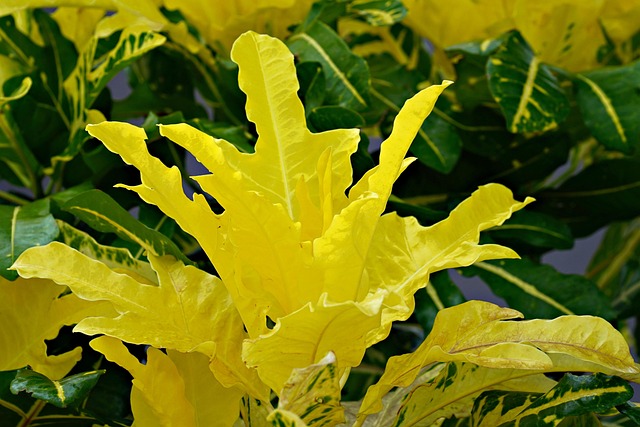
Codiaeum variegatum (Croton) requires tropical conditions to maintain vibrant leaf coloration. The plant's thin, variegated leaves demand consistent moisture, high humidity (50-70%), and bright light to support photosynthesis across multiple color sectors. Unlike succulent-type houseplants, Crotons cannot store water efficiently, making them vulnerable to rapid dehydration. Color fading indicates insufficient light—variegation requires more energy than solid green leaves. Indoor heating and low humidity stress causes leaf curling, browning tips, and pest susceptibility.
How to Fix It
- 1
Light: Bright indirect light (300+ FC) minimum; tolerate some direct morning sun for best color
- 2
Watering: Water thoroughly when top 1 inch of soil is dry—every 5-7 days typically
- 3
Humidity: Maintain 50-70% via humidifier, pebble trays, or grouping plants
- 4
Temperature: 65-85°F optimal; avoid drafts, heating vents, AC blasts
- 5
Soil: Well-draining potting mix with perlite (30%) to prevent waterlogging
- 6
Pot: Ensure drainage holes; terracotta or ceramic works well
- 7
Fertilizer: Balanced liquid fertilizer at 1/2 strength every 2 weeks during growing season
- 8
Maintenance: Wipe leaves monthly to remove dust and support photosynthesis
How to Prevent It
Consistency is critical—Crotons reject erratic care. Establish regular watering schedule based on soil moisture checks, not arbitrary timing. Maintain humidity above 50% year-round, especially in winter. Provide stable bright light location without frequent moves. Monitor for pests weekly (spider mites common on stressed Crotons). Repot annually in spring to prevent rootbound stress.