No New Growth on croton
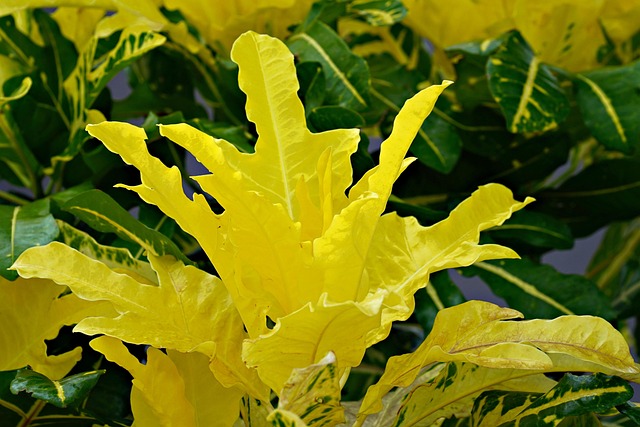
What's Happening
Crotons showing no new growth typically suffer from three causes. LIGHT INSUFFICIENCY: Below 200 FC, photosynthesis slows dramatically—the plant conserves energy instead of producing leaves. ROOTBOUND STRESS: Pots filled with circling roots restrict nutrient uptake and water absorption, halting growth despite adequate care. TRANSPLANT SHOCK: Recent repotting or relocation causes 2-4 week growth pause as plant acclimates. Seasonal dormancy (winter) also reduces growth naturally.
How to Fix It
- 1
Measure light levels: Use lux meter or app; if below 300 FC, relocate to brighter spot
- 2
Check rootbound status: Unpot and inspect; if roots circle >70% of pot, upgrade 2-4 inches larger
- 3
If recently repotted: Maintain consistent environment and wait 2-4 weeks for recovery
- 4
During winter: Expect slower growth; resume normal pace in spring
- 5
Support growth: Apply balanced fertilizer at 1/2 strength every 2 weeks during growing season
- 6
Monitor: New leaf emergence indicates successful intervention
How to Prevent It
Maintain minimum 300+ FC bright indirect light year-round. Repot annually in spring before roots become severely rootbound. Acclimate gradually after repotting—avoid dramatic environmental changes. Provide consistent care during recovery periods.