Toxicity on dieffenbachia
What's Happening
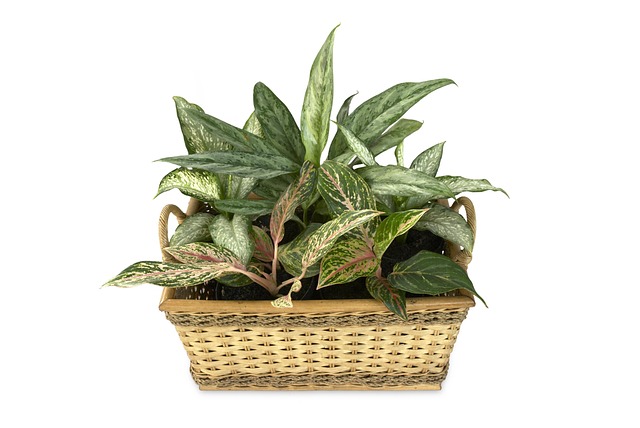
Dieffenbachia contains needle-like calcium oxalate crystals (raphides) in all plant parts, concentrated in stems and leaves. When chewed or ingested, these crystals embed in mucous membranes causing immediate mechanical irritation, inflammation, and swelling. SEVERE RISK: Ingestion can cause upper airway obstruction requiring emergency intubation, particularly in children under 5. Ocular exposure causes crystalline keratopathy with corneal penetration. The Araceae family characteristic makes this one of the most toxic common houseplants.
How to Fix It
- 1
Immediate response to ingestion: Rinse mouth with milk or water; do NOT induce vomiting
- 2
Airway monitoring: Watch for difficulty breathing, drooling, or voice changes—seek emergency care immediately if present
- 3
Ocular exposure: Flush eye with copious saline or clean water for 15+ minutes; seek ophthalmology evaluation
- 4
Pain management: Cold compresses to affected areas; over-the-counter analgesics for discomfort
- 5
Medical follow-up: Monitor for 24 hours post-exposure; severe cases may require steroids or antihistamines
How to Prevent It
Position plants out of reach of children and pets; wear gloves when pruning or repotting; wash hands thoroughly after handling; avoid touching face/eyes during plant care; consider pet-safe alternatives (spider plants, Boston ferns) for homes with young children or curious pets.