Direct Sunlight Myths on echeveria
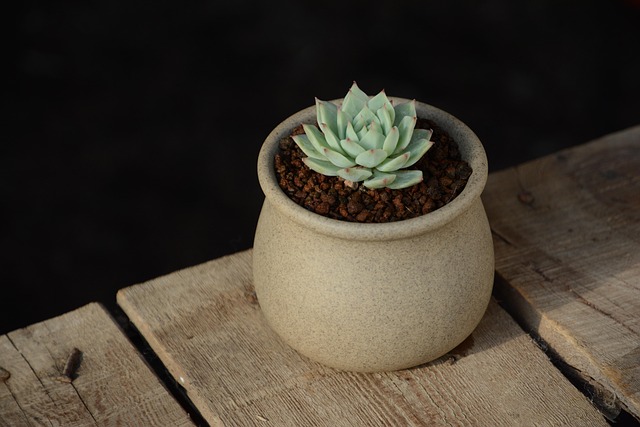
What's Happening
While Echeveria evolved in high-light environments, abrupt transition from nursery/greenhouse conditions (typically 30-50% shade) to direct sun causes photobleaching and sunburn. The myth that 'succulents love direct sun' ignores acclimation requirements. UV intensity and duration matter—morning direct sun differs dramatically from afternoon exposure. Many Echeveria varieties actually prefer bright indirect light for optimal color development.
How to Fix It
- 1
Assess current light conditions: If leaves show bleached patches or brown spots, reduce direct sun immediately
- 2
Gradual acclimation: Move plants 1 foot closer to window every 5-7 days over 3 weeks
- 3
Morning sun protocol: East-facing windows provide ideal gentle direct sun; south/west windows require screening
- 4
Visual indicators of overexposure: Brown/crispy patches, sudden color bleaching, wilting despite adequate water
- 5
Recovery: Move to bright indirect light for 2-4 weeks; damaged leaves won't recover but new growth will adapt
How to Prevent It
Acclimate Echeveria gradually to increased light over 2-3 weeks. Provide morning direct sun (before 11am) initially, then extend exposure by 30 minutes every 3-4 days. Use sheer curtains or partial shade cloth during peak hours. Monitor for color change—red/purple stress colors indicate light stress, not necessarily healthy sun exposure.