Recovery Timeline on echeveria
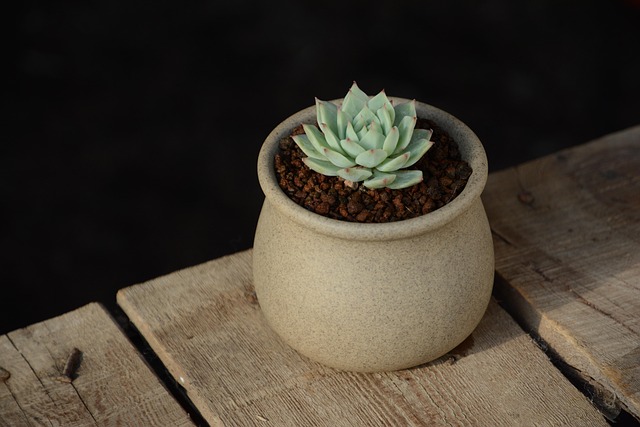
What's Happening
Post-etiolation recovery follows predictable biological timelines that often cause premature abandonment of viable plants. Echeveria prioritize root system repair and photosynthetic adjustment before allocating energy to visible new growth. This delay—typically 2-6 weeks—reflects CAM metabolism adaptation, chlorophyll redistribution, and meristem reactivation. Owners often conclude treatment failed and discard plants during normal recovery phases.
How to Fix It
- 1
1. Week 1-2 (Adjustment): No visible changes expected; plant is callusing wounds, initiating root primordia, and redistributing chlorophyll. Leaves may appear slightly more turgid.
- 2
2. Week 3-4 (Root emergence): Gently unpot to verify new white root tips emerging from cut ends or buried stems. Do not disturb more than once every 2 weeks.
- 3
3. Week 5-6 (New growth): First compact new leaves emerge from rosette center or buried nodes. These should show tighter internode spacing indicating adequate light.
- 4
4. Week 7-8 (Stabilization): New growth accelerates; etiolated lower leaves may be removed once plant shows consistent compact growth pattern.
- 5
5. Month 3+ (Resume normal care): Plant enters active growth phase; resume minimal fertilization at 1/4 strength if desired
- 6
6. Warning signs to watch: Mushy blackening at cut ends indicates rot—trim immediately and re-callus; continued stretching indicates insufficient light—upgrade lighting
- 7
7. Success indicators: Compact new growth with <0.3 inch internode spacing, firm leaf texture, and rosy/pink coloration (in pigmented varieties) confirm recovery
How to Prevent It
Document baseline photos when implementing recovery protocols. Mark calendar reminders at weeks 2, 4, and 6 to track expected milestones. Resist urge to overwater during recovery—wet soil promotes rot in stressed plants.