Soil on echeveria
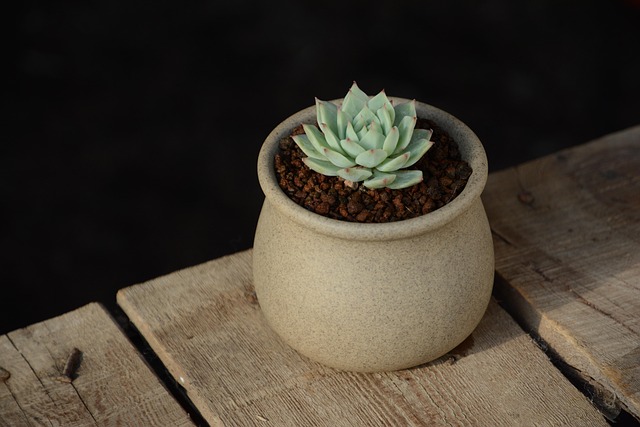
What's Happening
Echeveria species require rapid drainage and aeration to prevent root rot. Standard potting mixes retain too much moisture, and organic materials like peat can become hydrophobic when dry, creating uneven moisture. Echeveria roots need substrates that drain within seconds and dry within days.
How to Fix It
- 1
1. Mix 50% commercial cactus/succulent soil with 50% inorganic material (perlite, pumice, or coarse sand)
- 2
2. Ensure particle size is 3-6mm for optimal air pockets and drainage - avoid fine sand which compacts
- 3
3. Always use pots with drainage holes - non-negotiable for Echeveria health
- 4
4. For humid climates, increase inorganic ratio to 70% for better drainage
- 5
5. Test drainage by watering and observing if water flows freely from holes within seconds
How to Prevent It
Replace soil annually or when it breaks down; adjust mix ratios based on local humidity - more grit in humid climates; never use garden soil without amendment; ensure pots are appropriately sized - shallow pots dry faster than deep ones