Slow Growth on ficus shivereana
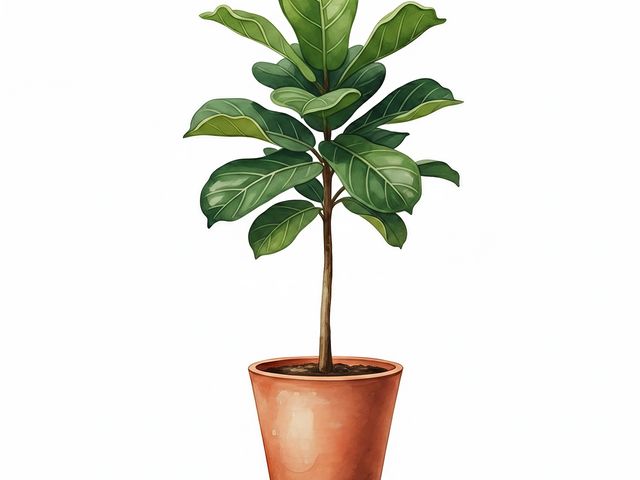
What's Happening
Ficus Shivereana grows significantly slower than standard Ficus elastica due to reduced chlorophyll in the cream/white variegated tissue. The plant must produce the same biomass with roughly 40-60% less photosynthetic capacity. This is normal for the cultivar, not a care failure. However, growth can stall completely if light is insufficient (below 1500 lux), roots are bound, or the plant is overwatered in low light when metabolic demands are already reduced.
How to Fix It
- 1
Accept slower growth as cultivar characteristic - expect 4-6 new leaves per year vs 10-15 for standard elastica
- 2
Maximize light: provide brightest indirect light possible (2500-4000 lux) without direct sun exposure
- 3
Fertilize monthly spring/summer with balanced liquid fertilizer at half strength to support variegated tissue
- 4
Check if root-bound: roots circling pot or emerging from drainage holes indicate repotting needed
- 5
Repot every 2 years into slightly larger pot with fresh well-draining mix to refresh nutrients
How to Prevent It
Set realistic expectations: Shivereana is a slow-growing statement plant, not a rapid grower. Provide consistent bright light year-round. Fertilize regularly during growing season. Repot before severe root binding occurs. Avoid overwatering in winter when growth naturally slows further.