Bio-Fertilizer-Integration on ficus
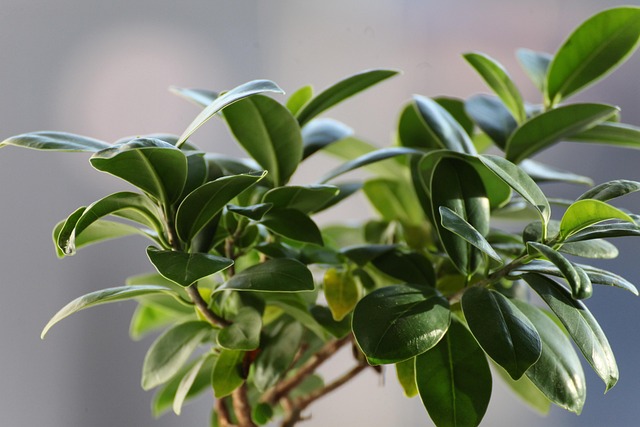
What's Happening
Chemical NPK dependency creates soil microbial imbalance and nutrient leaching in container environments; bio-fertilizers containing Azotobacter chroococcum (Nitrobein), Arbuscular mycorrhiza with silicate bacteria (Phosphorene), and Bacillus pasteurii (Potassein) establish symbiotic nitrogen fixation, phosphorus solubilization, and potassium mobilization pathways
How to Fix It
- 1
Reduce chemical NPK by 25% and supplement with 25% compost plus bio-fertilizer cocktail (Nitrobein + Phosphorene + Potassein in equal amounts) to achieve statistically equivalent growth to 100% chemical NPK
- 2
Inoculate bio-fertilizers at planting or during active root growth periods when soil temperature exceeds 18°C for optimal microbial activity
- 3
Combine with 35% organic matter compost (C/N ratio 17.6, containing 1.5% N, 0.6% P, 1.32% K, 1012ppm Fe, 116ppm Mn, 28ppm Zn) to provide substrate for microbial proliferation
How to Prevent It
Maintain soil pH between 6.0-7.5 for bio-fertilizer efficacy; avoid synthetic fungicides 2 weeks before and after bio-fertilizer application to prevent beneficial microbe suppression.