Cold Damage on fiddle leaf fig
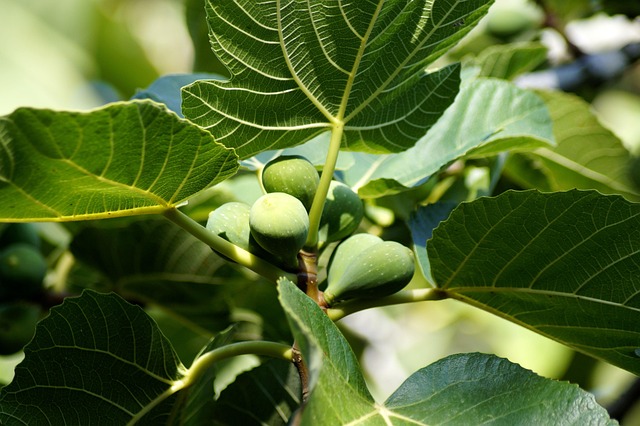
What's Happening
Cold damage on Fiddle Leaf Fig (Ficus lyrata) occurs when temperatures drop below 50°F (10°C) for extended periods or experience brief exposure to temperatures below 40°F (4°C). Native to tropical West Africa, FLFs have no cold hardiness mechanisms. Cell membranes become rigid and rupture at low temperatures, causing cellular contents to leak and tissue death. Damage appears as black/brown water-soaked patches on leaves, often affecting the most exposed portions first. Unlike disease, cold damage appears within 24-48 hours of exposure and follows a pattern corresponding to cold air currents.
How to Fix It
- 1
1. Assess damage extent: Cold damage appears as dark water-soaked patches, often on leaf edges or areas closest to cold source. Check multiple leaves for pattern.
- 2
2. Remove from cold source immediately: Relocate to warm, stable environment (65-75°F). Do not place near heat sources which cause additional shock.
- 3
3. Do not prune immediately: Wait 1-2 weeks for damage to fully manifest—some tissue may partially recover.
- 4
4. Trim dead tissue: After 2 weeks, use sterile scissors to remove fully blackened, crispy tissue. Leave any partially green areas—they continue photosynthesizing.
- 5
5. Support recovery: Maintain optimal care (bright indirect light, appropriate watering, 40-60% humidity) to help plant produce new growth.
- 6
6. Prevent reinjury: Identify and eliminate cold source. If winter transport necessary, use insulation and minimize exposure time.
How to Prevent It
Maintain temperatures between 65-80°F year-round. Keep plants away from cold drafts (open doors/windows in winter), air conditioning vents, and exterior doors. During winter transport, wrap plant and minimize exposure time to under 10 minutes. Avoid placing FLFs on windowsills during freezing weather—the glass transfers cold to nearby foliage. Use space heaters in plant rooms during cold snaps, keeping them at safe distance from foliage.
Related Problems
Same Problem on Other Plants
Go Deeper
This is covered in-depth in the fiddle leaf fig Mastery Pack — structured modules with video walkthroughs, advanced protocols, and rescue timelines.
Get the Mastery Pack — $37 →