85% confidence
Based on 20,000+ analyzed cases
Leaf Scarring on fiddle leaf fig
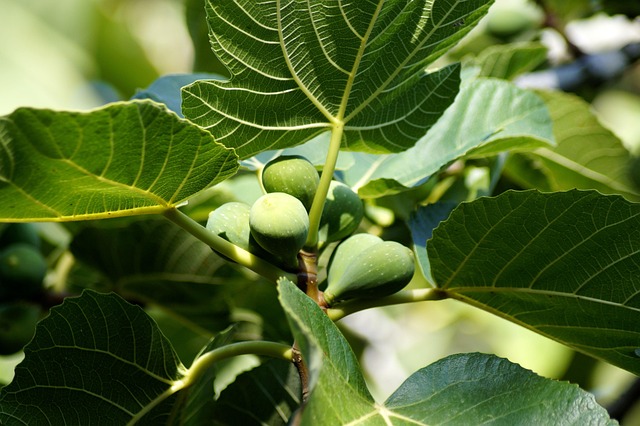
What's Happening
Large, rigid leaves are prone to snapping or 'cracking' during transport or in high-traffic areas. These scars turn brown and woody but do not spread like disease.
How to Fix It
- 1
Leave damaged leaves on the plant if they are mostly green; they still contribute to photosynthesis.
- 2
If a leaf snaps partially, you can 'splint' it with tape if the vascular tissue is intact, though it rarely heals seamlessly.
- 3
Cleanly prune leaves that are more than 50% damaged at the base of the petiole.
How to Prevent It
Secure leaves with soft plant ties during moves. Use wide pots for stability to prevent tipping.
Related Problems
Same Problem on Other Plants
Go Deeper
This is covered in-depth in the fiddle leaf fig Mastery Pack — structured modules with video walkthroughs, advanced protocols, and rescue timelines.
Get the Mastery Pack — $37 →Frequently Asked Questions
What causes leaf scarring on my plant?
Large, rigid leaves are prone to snapping or 'cracking' during transport or in high-traffic areas. These scars turn brown and woody but do not spread like disease.
How do I fix leaf scarring?
Leave damaged leaves on the plant if they are mostly green; they still contribute to photosynthesis.. If a leaf snaps partially, you can 'splint' it with tape if the vascular tissue is intact, though it rarely heals seamlessly..
How do I prevent leaf scarring from happening again?
Secure leaves with soft plant ties during moves. Use wide pots for stability to prevent tipping.