Light Requirements on fiddle-leaf-fig
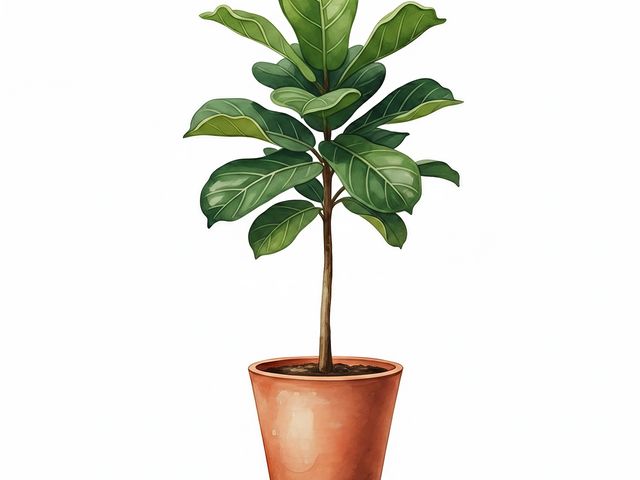
What's Happening
Ficus lyrata evolved as a canopy colonizer requiring high light intensity (2000-5000 lux minimum) to maintain metabolic function. In low light (<1000 lux), the plant exhibits etiolation—stretched internodes, small leaves, weak growth. Light deficiency triggers secondary problems: reduced transpiration causes soil to remain moist longer (mimicking overwatering); carbohydrate deficits lead to leaf drop; vigor decline increases pest susceptibility. Unlike shade-tolerant tropicals, F. lyrata lacks understory adaptations.
Alternative causes:
- • Fiddle Leaf Figs require significantly more light than commonly advised. Native to West African lowland rainforests, they evolved as gap-phase specialists—growing rapidly in bright light openings when canopy trees fall. Inadequate light (<1000 lux) causes ETIOLATION: elongated internodes creating leggy growth, small new leaves that drop prematurely, and overall decline. Low light also reduces transpiration, exacerbating overwatering issues and edema. The misconception of 'moderate indirect light' requirements stems from confusing understory tolerance with optimal growth conditions. In reality, Ficus lyrata thrives at 2000-5000 lux bright indirect light or even direct morning sun when properly acclimated.
How to Fix It
- 1
1. ASSESS CURRENT LIGHT: Use PAR meter or app—target minimum 2000 lux, optimal 5000+ lux
- 2
2. RELOCATE: Move to brightest indirect location; east-facing with morning sun or south-facing with sheer curtain ideal
- 3
3. SUPPLEMENTAL LIGHTING: Install full-spectrum LED if natural light insufficient; 12-14 hours daily, 12-18 inches from canopy
- 4
4. ACCLIMATE GRADUALLY: Increase exposure 1-2 hours daily over 7-10 days to prevent shock
- 5
5. MONITOR: Soil should dry appropriately between waterings; if wet >10 days, light still insufficient
- 6
6. RECOVERY TIMELINE: Expect 4-8 weeks for improved new growth; old etiolated growth will not revert
How to Prevent It
Position in brightest indirect light (east or south-facing windows with sheer curtains). Supplement with full-spectrum LED grow lights (12-14 hours/day, 12-18 inches from canopy) during winter. Maintain 40-60% humidity. Rotate plant 90 degrees weekly. Acclimate to light changes over 7-10 days to prevent sunburn.
Related Problems
Same Problem on Other Plants
Go Deeper
This is covered in-depth in the fiddle-leaf-fig Mastery Pack — structured modules with video walkthroughs, advanced protocols, and rescue timelines.
Get the Mastery Pack — $37 →