Etiolation on haworthia
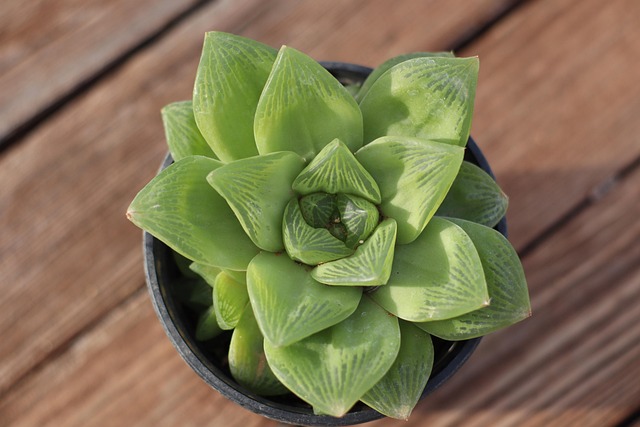
What's Happening
Insufficient light intensity (<1000 lux) for prolonged periods. While marketed as low-light plants, Haworthia require bright indirect light to maintain their tight rosette form. In dim conditions, the stem elongates (etiolates) to search for light, and leaves become pale and spaced out. The plant may also 'yeet' its roots to save energy if light is too low for photosynthesis.
How to Fix It
- 1
Gradual Light Increase: Move the plant 1 foot closer to a window every 3 days until it receives 2000-5000 lux of bright indirect light.
- 2
Support the Rosette: Use small pebbles or top-dressing to support a leaning or stretched stem until it stabilizes.
- 3
The 'Restart' Method: If etiolation is severe, wait for the plant to produce 'pups' (offsets) from the base. Once pups are 1 inch wide, detach and grow them in a high-light environment to start a new compact plant.
- 4
Rotation: Turn the pot 90 degrees every week to prevent the plant from leaning toward the light source.
How to Prevent It
Place in an East-facing window for ideal morning sun. Use a light meter app to confirm your 'bright spot' is actually over 1000 lux. Avoid dark bookshelves or corners where no natural light reaches.