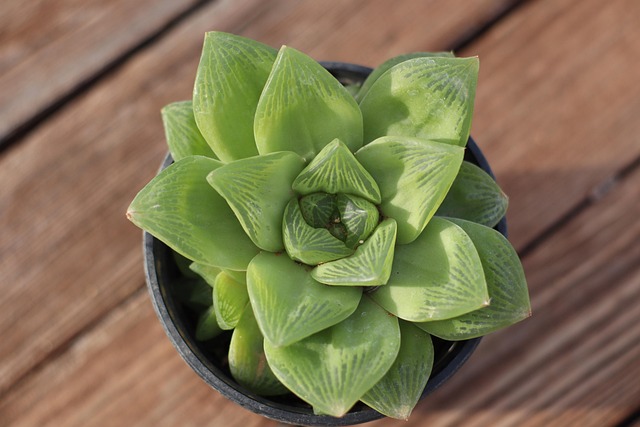
haworthia
Haworthia spp.
Comprehensive care and diagnosis guide for the Haworthia. Based on 7 verified community insights.
Care Requirements
At a Glance
Detailed care profile is currently being compiled by the Plant Grail swarm.
Start Here
Most Common Problems
Based on 7 analyzed cases — these are the issues you're most likely to encounter
Why does my Haworthia have root rot?
Primarily overwatering or lack of drainage holes. Haworthia have thick,...
Why do my Haworthia leaves have brown tips?
Primarily light-induced stress. A brownish-red tint (sun tan) is a normal...
Why does my Haworthia have etiolation?
Insufficient light intensity (<1000 lux) for prolonged periods. While marketed...
Why does my Haworthia have pup division?
Haworthias clump naturally. Overcrowding can lead to flattened growth or...
Why does my Haworthia have seasonal dormancy?
Haworthias are often summer dormant (opportunistic). They stop growing if night...
Verified Data
All Diagnoses
Complete analysis of 7 cases for this variety. Select an entry to expand rescue protocols.
Diseases (1)
Other Problems (1)
Common Questions
Frequently Asked Questions
Why does my haworthia have Root rot?
Cause: Primarily overwatering or lack of drainage holes. Haworthia have thick, contractile roots that thrive in gritty substrates. In stagnant, wet soil, they succumb to fungal rot. They may also 'yeet' (shed) their roots entirely due to extreme stress, including root girdling from retail synthetic netting.
Solution: Remove plant and inspect roots. Firm white roots are healthy; brown mushy roots must be removed.
Prevention: Adopt a strict 'soak and dry' method. Water only when the soil is 100% dry and the lower leaves feel slightly less firm. Remove any retail mesh or plastic cages from roots immediately after purchase.
87% confidence · View full protocol →
Why does my haworthia have Brown tips?
Cause: Primarily light-induced stress. A brownish-red tint (sun tan) is a normal adaptation to bright indirect light. Dry, papery brown tips indicate true sun scorch from sudden exposure to direct afternoon sun. Because Haworthia have epidermal 'windows' to focus light, they are more sensitive to UV overload than other succulents. Browning can also result from root shedding, where the plant dehydrates from the tips inward.
Solution: If browning is reddish and the plant is firm, it is likely benign 'sun stress'. No action needed unless green color is preferred (move 2ft from window).
Prevention: Acclimate new plants over 14 days by increasing light by 1 hour daily. Use a 'winter growth' care cycle: increase water slightly in cooler months and reduce in summer (semi-dormancy) to prevent root loss.
79% confidence · View full protocol →
Why does my haworthia have Etiolation?
Cause: Insufficient light intensity (<1000 lux) for prolonged periods. While marketed as low-light plants, Haworthia require bright indirect light to maintain their tight rosette form. In dim conditions, the stem elongates (etiolates) to search for light, and leaves become pale and spaced out. The plant may also 'yeet' its roots to save energy if light is too low for photosynthesis.
Solution: Gradual Light Increase: Move the plant 1 foot closer to a window every 3 days until it receives 2000-5000 lux of bright indirect light.
Prevention: Place in an East-facing window for ideal morning sun. Use a light meter app to confirm your 'bright spot' is actually over 1000 lux. Avoid dark bookshelves or corners where no natural light reaches.
81% confidence · View full protocol →
Why does my haworthia have Pup division?
Cause: Haworthias clump naturally. Overcrowding can lead to flattened growth or moisture trapping.
Solution: Wiggle the pup at the base to check for resistance (roots).
Prevention: Divide every 2-3 years to maintain rosette shape.
92% confidence · View full protocol →
Why does my haworthia have Seasonal dormancy?
Cause: Haworthias are often summer dormant (opportunistic). They stop growing if night temperatures exceed 80�F to conserve water.
Solution: Reduce water significantly during peak summer heat.
Prevention: Monitor night temperatures; high heat triggers dormancy response.
91% confidence · View full protocol →