Light on haworthia
What's Happening
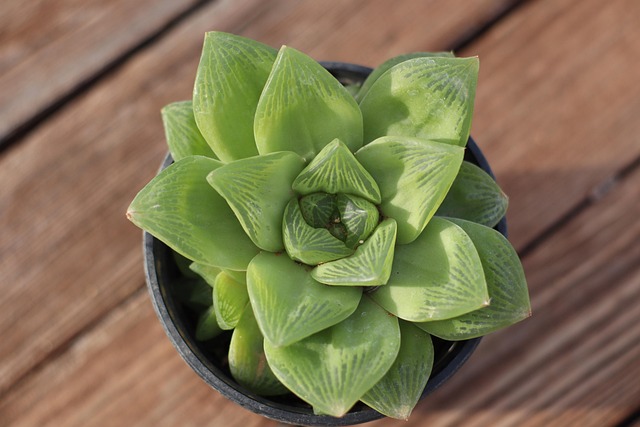
Haworthia species are adapted to filtered light under shrubs and rocks in their native South African habitat. Their translucent 'window' leaf tips enable photosynthesis in low-light conditions, but direct sunlight causes photoinhibition, bleaching, and sunburn. Conversely, insufficient light causes etiolation (stretching) and loss of compact rosette form.
How to Fix It
- 1
1. Position in bright indirect light or filtered sunlight - east-facing windows are ideal
- 2
2. Avoid direct afternoon sun; use sheer curtains on south-facing windows to filter intense light
- 3
3. If leaves turn brown or red, reduce light intensity immediately to prevent permanent damage
- 4
4. If rosette spreads and leaves stand upright, increase light gradually to restore compact form
- 5
5. The more transparent the 'window' on leaf tips, the more shade the plant requires
How to Prevent It
Maintain 4-6 hours of bright indirect light daily; use grow lights (2000-5000 lux) if natural light is insufficient; rotate pots weekly for even growth; group with other shade-tolerant succulents; monitor for early signs of sunburn (browning at leaf tips) or etiolation (stretching)