No New Growth on hoya
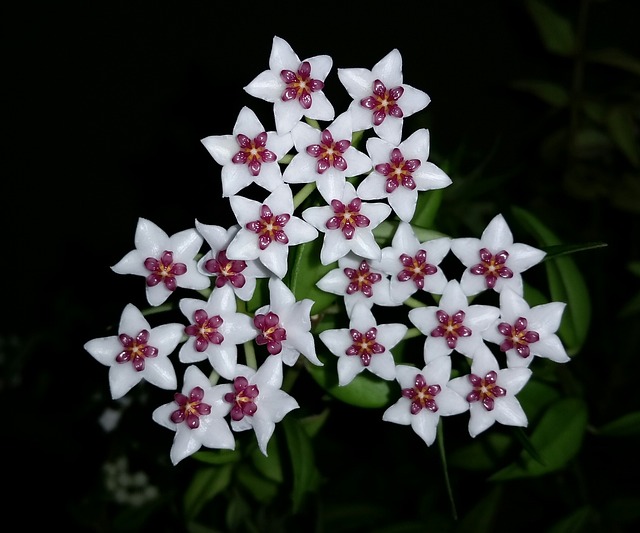
What's Happening
Hoyas are naturally slow-growing epiphytes that prioritize root establishment before foliage expansion. Stalled growth or lack of blooming typically stems from: (1) Insufficient light�Hoyas need bright indirect light (2000-5000 lux) or some direct morning sun to bloom; low light causes dormancy-like stasis, (2) Immaturity�most Hoyas will not bloom until 2-3 years old with established root systems, (3) Low humidity�indoor humidity below 50% slows metabolic processes in these tropical epiphytes, (4) Temperature stress�cold roots or temperatures below 65�F (18�C) inhibit growth hormones, (5) Pot-bound stress�Hoyas prefer being snug but extremely root-bound plants divert all energy to root survival.
How to Fix It
- 1
Maximize light: Move to brightest indirect light available; east windows ideal, south/west with sheer curtains. Grow lights should run 12-16 hours at 2000-4000 lux
- 2
Boost humidity to 50-70% using humidifiers, pebble trays, or grouping plants. Hoyas respond dramatically to humidity increases
- 3
Warm the roots: Place pot on a seedling heat mat set to 70-75�F (21-24�C) to accelerate metabolic activity and nutrient uptake
- 4
Use a humidity dome or enclosed propagation chamber for severely stalled plants�high humidity (70-80%) often triggers new growth
- 5
Fertilize weakly with balanced liquid fertilizer (1/4 strength) at every watering during active growth periods
- 6
For blooming specifically: Ensure 4-6 hours of bright light, maintain consistent care for 2+ years, and avoid moving the plant once peduncles (flower stalks) form�Hoyas bloom on old wood and aborted peduncles rarely rebloom
How to Prevent It
Establish consistent tropical conditions from the start: Bright indirect light, 50-70% humidity, warm temperatures (65-80�F), and well-draining epiphytic mix. Use photo timelines to track growth�Hoyas typically grow 6-12 inches per year indoors. Do not rush blooming; focus on healthy vine development first.