Water Propagation on hoya
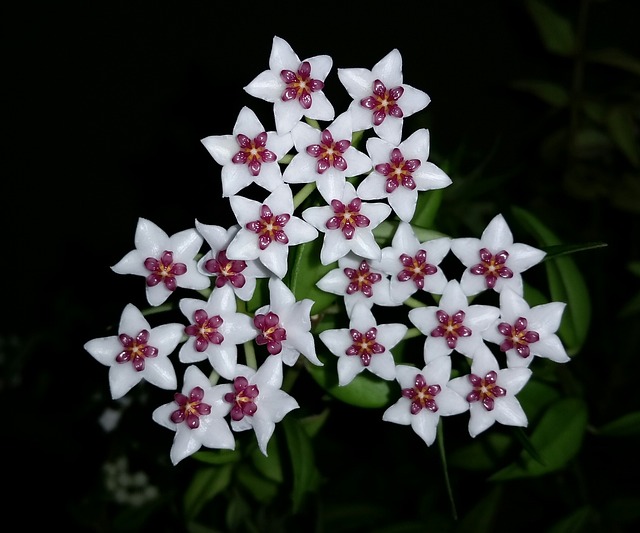
What's Happening
Hoyas are epiphytic succulents with thick, waxy leaves and specialized root systems adapted to climbing tree bark in tropical forests. Their stems contain high concentrations of milky latex that seals wounds and inhibits bacterial infection, but this same latex can form a waterproof barrier that prevents water absorption during propagation. Hoyas root slowly (4-8 weeks) due to their succulent nature and low metabolic rate, making patience essential. The succulent stems store water and nutrients, allowing cuttings to survive extended periods without roots, but water propagation must balance moisture availability with the rot resistance these plants evolved.
How to Fix It
- 1
Take 4-6 inch stem cuttings with minimum 2 nodes
- 2
Allow cut end to callus for 24-48 hours on dry paper towel—latex will dry and seal wound
- 3
Remove lower leaves to expose nodes but keep 2-3 upper leaves for photosynthesis
- 4
Place callused end in 1-2 inches of room-temperature water
- 5
Change water every 5-7 days—Hoyas tolerate less frequent changes than tropical vines
- 6
Root development is slow: expect first roots at 3-4 weeks, substantial roots at 6-8 weeks
- 7
Roots will be thick and white when healthy; thin, brown roots indicate rot
- 8
Transition to extremely well-draining mix: 60% perlite/pumice, 30% orchid bark, 10% potting soil
- 9
Hoyas prefer to be root-bound; transition to pot only 1 inch larger than root ball
- 10
Allow soil to dry completely between waterings—established Hoyas are drought-tolerant
How to Prevent It
Take stem cuttings with at least 2 nodes and allow the cut end to callus (dry and seal) for 24-48 hours before placing in water. This prevents the milky latex from continuously bleeding into water and creating a bacterial growth medium.