Root Rot on jade plant
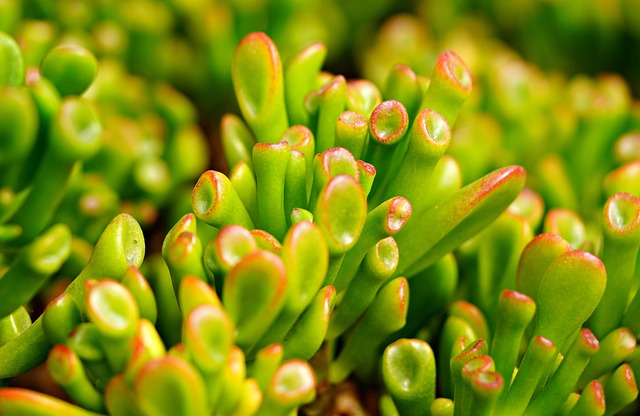
What's Happening
Soil saturation beyond 7-10 days triggers anaerobic bacterial proliferation in Crassula ovata's fine, fibrous root system. Unlike woody plants, jade's succulent roots lack lignified tissue, making them vulnerable to rapid cellular breakdown when oxygen levels drop below 2mg/L. The combination of moisture-retentive peat-based soil and glazed ceramic pots creates a perfect anaerobic environment. Fusarium oxysporum (PMID 30732030) has been documented as a primary pathogen causing vascular discoloration and stem collapse in commercial jade operations.
How to Fix It
- 1
Unpot immediately: Remove entire root ball, gently wash away soil to expose all roots
- 2
Surgical triage: Trim ALL black, mushy, or foul-smelling roots with sterilized scissors until only firm white tissue remains
- 3
H2O2 sterilization: Soak remaining roots in 3% hydrogen peroxide solution (1:1 with water) for 20 minutes to oxygenate tissue and kill anaerobic bacteria
- 4
Callus period: Lay plant on dry paper towel in shade for 48-72 hours to seal cut wounds
- 5
Repot in gritty mix: Use 50% perlite/pumice + 50% cactus soil; avoid peat-heavy mixes
- 6
Withhold water: Do not water for 7-10 days post-repot to encourage new root growth
How to Prevent It
Water only when top 2-3 inches of soil are bone-dry; use unglazed terracotta pots for passive moisture wicking; maintain 50%+ inorganic soil content (perlite/pumice); ensure drainage holes exceed 3/8 inch diameter; position in bright direct sun (4-6 hours) to accelerate transpiration.