Water Propagation Risks on jade plant
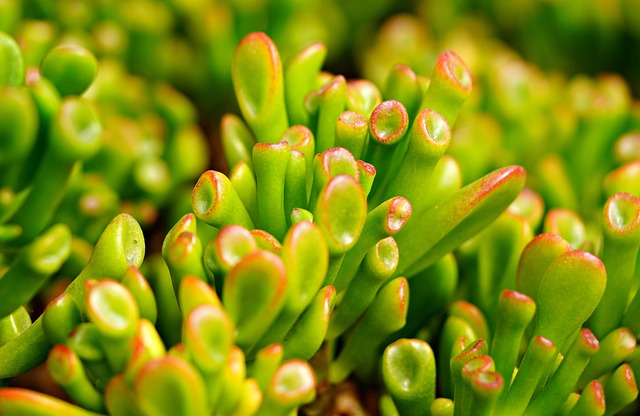
What's Happening
While water propagation works for many houseplants, jade cuttings are particularly vulnerable to bacterial soft rot during extended water submersion. The thick, succulent leaf and stem tissue releases sugars and nutrients into the water, creating ideal breeding conditions for anaerobic bacteria (Pythium, Erwinia). Chlorine in tap water stresses cut tissue further, and stagnant water promotes rapid pathogen proliferation. Soil propagation with proper callusing yields higher success rates.
How to Fix It
- 1
Soil preference: Use perlite, coarse sand, or dry succulent mix for propagation instead of water
- 2
Callus first: Allow cuttings to dry 48-72 hours before planting to seal wound—critical step
- 3
If using water: Change water every 3-4 days using room-temperature dechlorinated water only
- 4
Transition timing: Move to soil immediately when roots reach 1 inch—do not leave in water long-term
- 5
Sterilization: Rinse containers with hydrogen peroxide between water changes to prevent biofilm
- 6
Monitoring: Check for softening or discoloration at cut end—signs of bacterial infection
How to Prevent It
Avoid water propagation for jade plants when possible; use soil propagation for all stem and leaf cuttings; allow cuttings to dry 48-72 hours before planting to seal wounds; use sterile, fast-draining succulent mix for propagation; maintain 65-75°F and bright indirect light during rooting.