Aerial Root Dehydration on monstera
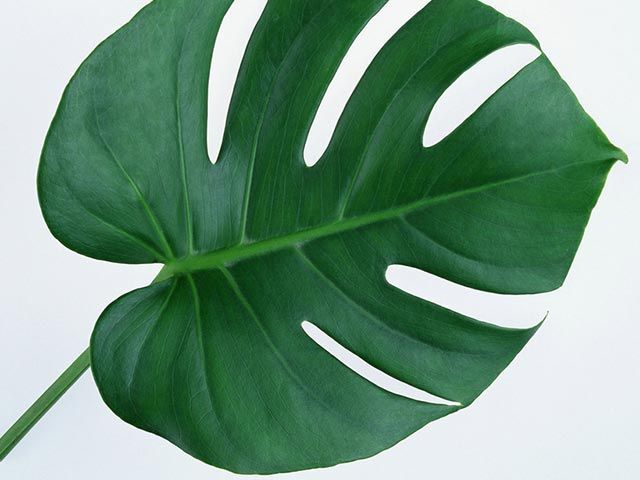
What's Happening
Monstera deliciosa has specialized suberized cell walls in aerial roots and tubers that form transpiration barriers. Unlike normal roots, aerial roots develop wax molecules sorbed to suberin polymer that create effective water loss barriers with permeances of 7.4 × 10^-10 to 4.2 × 10^-9 m·s^-1. This adaptation allows aerial roots to function in atmospheric conditions without desiccating.
How to Fix It
- 1
Leave aerial roots exposed - do not bury or cut healthy ones
- 2
Mist aerial roots weekly to support their atmospheric adaptation
- 3
Provide moss pole for aerial roots to attach and develop suberized barriers
- 4
Maintain 60-80% humidity for optimal aerial root function
- 5
If aerial roots dry out: increase ambient humidity and mist regularly
How to Prevent It
Allow aerial roots to remain exposed to air rather than burying them. Maintain humidity above 50% to support aerial root function. Avoid cutting healthy aerial roots as they provide transpiration regulation.