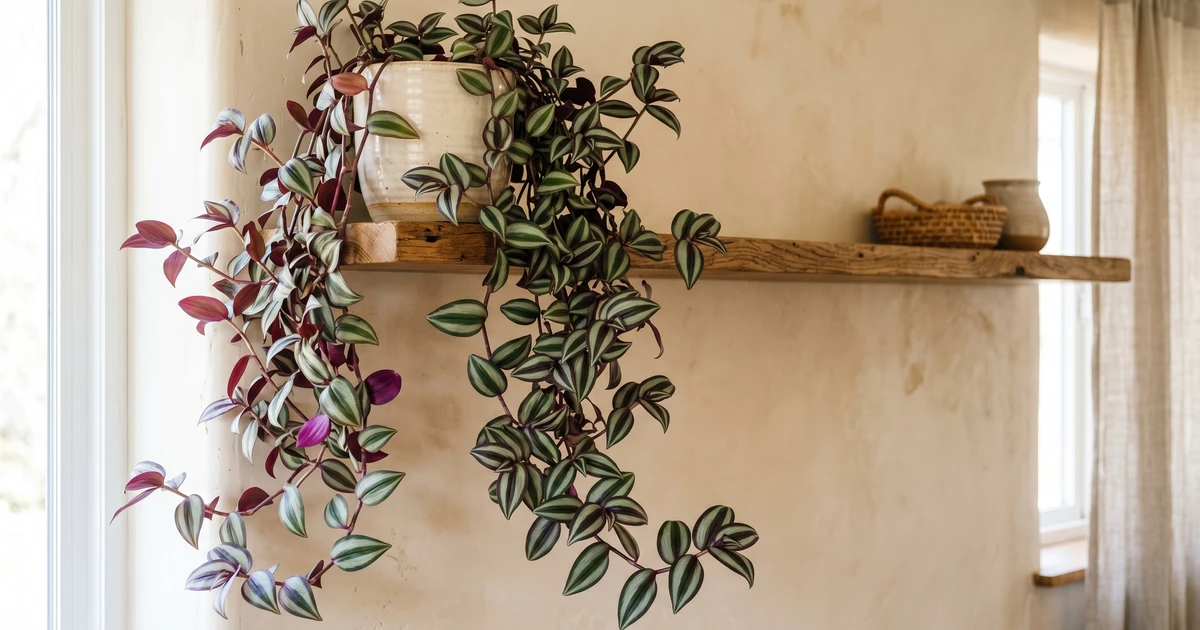
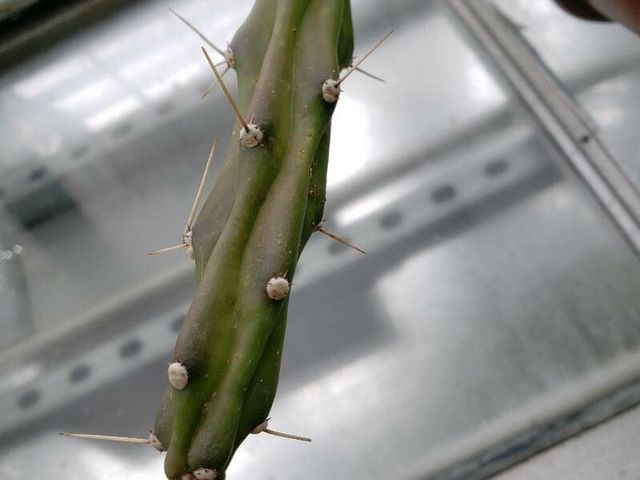
moon cactus
Gymnocalycium mihanovichii
Evidence-based care guide for Moon Cactus (Gymnocalycium mihanovichii). Covers disease treatment and watering. Our analysis draws from 5 verified community cases with an average confidence score of 80%. Each protocol is synthesized from real rescue outcomes, not generic advice.
Care Essentials
Get to Know Your Moon Cactus
The #1 killer? Overwatering. Let the soil dry between waterings and your Moon Cactus will thrive.
Light
medium to bright indirect
Most comfortable in medium to bright indirect light. Avoid prolonged direct sun exposure.
💡 Grow lights: Thrives under artificial grow lights (LED or fluorescent, 10-12 hours/day). A great option if your space lacks natural light.
Watering
every 7-10 days
Water when the top 1-2 inches of soil feel dry. Adjust with the seasons — less in winter, more in summer.
Humidity & Temperature
Not fussy about humidity. Handles average indoor conditions without issue.
Standard room temperature (60-80°F / 15-27°C) is perfect. Avoid cold drafts and sudden temperature swings.
Soil
Standard well-draining potting mix works well. Add perlite for extra drainage if you tend to overwater.
Care Requirements
At a Glance
Care Profile in Development
While our detailed care profile is being compiled, you can find specific care guidance in the 1 care-related diagnoses below — including watering schedules, light requirements, and propagation methods from real-world cases.
Start Here
Most Common Problems
Based on 5 analyzed cases — these are the issues you're most likely to encounter
Don't see your symptom? Search all 5 topics below, or run the Diagnostic.
Is my Moon Cactus overwatered?
Hylocereus rootstock supporting moon cactus scions is significantly more...
Moon Cactus: Graft Lifespan Decline
Gymnocalycium mihanovichii var. friedrichii (the colorful moon cactus scion)...
Moon Cactus: Rootstock Selection
The Hylocereus (dragon fruit cactus) rootstock is the most common support for...
Moon Cactus: Moon Cactus Graft
Moon cactus (Gymnocalycium mihanovichii) grafts fail when the vascular cambium...
Moon Cactus: Regrafting Detached Scion
When moon cactus scions detach from rootstock or show declining vascular...
Which of the 7 Killers
is threatening your plants?
We analyzed 1,616 documented plant deaths to identify the 7 causes behind 78% of all losses. Answer 5 questions — we'll tell you exactly which ones apply to your setup.
Skip the quiz — get The 7 Killers course ($19) →Question 1 of 5
How do you decide when to water your plants?
Question 2 of 5
Where do most of your plants live?
Question 3 of 5
What's your home environment like?
Question 4 of 5
Have you lost a plant in the last 6 months?
Question 5 of 5
How often do you check your plants for pests?
Your diagnosis is ready
We've identified your top 2 risk killers. Enter your email to see the full breakdown and your personalized rescue protocol.
Your plants are most at risk from:

The 7 Killers mini-course covers every one of these in depth — mechanism, rescue protocol, prevention. 1,616 cases. 7 lessons. $19.
Get The 7 Killers — $19 →Get the Plant Mortality Checklist
The 7 killers behind 78% of houseplant deaths — and the exact fix for each. Free PDF based on 1,616 documented cases.
Your checklist is ready!
We also sent it to your inbox. Check your email for the full download.
Open the ChecklistFree. No spam. Unsubscribe anytime.
Verified Data
All Diagnoses
5 topics consolidated from 5 documented cases. Expand any topic to see all protocols.
Watering Issues (1 topics · 1 cases)
Is my Moon Cactus overwatered?
Hylocereus rootstock supporting moon cactus scions is significantly more vulnerable to overwatering-induced rot than free-living specimens
85%
Is my Moon Cactus overwatered?
Hylocereus rootstock supporting moon cactus scions is significantly more vulnerable to overwatering-induced rot than free-living specimens
Cause
Hylocereus rootstock supporting moon cactus scions is significantly more vulnerable to overwatering-induced rot than free-living specimens. The metabolic burden of supporting the non-photosynthetic Gymnocalycium scion increases rootstock water and nutrient demands, yet many owners reduce watering to protect the scion from moisture damage. This paradox creates conditions where rootstock dehydrates during dry periods then receives excessive water when owners compensate, triggering anaerobic bacterial growth (Pythium, Erwinia) at the root crown. Graft union proximity to soil surface exacerbates rot risk.
Solutions
- Watering protocol: soak thoroughly every 10-14 days in growing season (spring/summer)
- Test soil: use moisture meter—water only when probe reads dry at 2-inch depth
- Winter dormancy: reduce to monthly watering when temperatures below 65°F
- Drainage critical: pot must have drainage holes; never allow standing water
- Inspect monthly: unpot gently to check root crown for softening or discoloration
- If rot detected: trim affected roots, treat with 3% hydrogen peroxide, repot in dry gritty mix
Prevention
Use terracotta pots to accelerate soil drying and prevent moisture retention at root crown. Elevate graft union minimum 1 inch above soil line by planting rootstock deeper, preventing soil contact with vulnerable graft junction.
Other Topics (4 topics · 4 cases)
Moon Cactus: Graft Lifespan Decline
Gymnocalycium mihanovichii var
82%
Moon Cactus: Graft Lifespan Decline
Gymnocalycium mihanovichii var
Cause
Gymnocalycium mihanovichii var. friedrichii (the colorful moon cactus scion) has an inherently limited lifespan regardless of graft success. The genetic variegation that produces red, yellow, orange, or pink coloration results from a natural mutation that eliminates chlorophyll production. Without photosynthetic capacity, the scion functions purely as a parasite on the Hylocereus rootstock. Even under ideal conditions, grafted moon cactus have a biological lifespan of 12-36 months before the scion exhausts its cellular regeneration capacity or the graft union degrades from accumulated metabolic stress.
Solutions
- Accept lifespan limitations: 1-3 years is normal for grafted moon cactus
- Plan for succession: propagate rootstock cuttings when scion shows vigor
- When scion declines: remove it to preserve rootstock for future grafts
- Document graft age: mark purchase date to distinguish natural aging from care problems
- Transition expectations: treat moon cactus as temporary display plants rather than permanent specimens
Prevention
Select younger, smaller scions (under 2 inches diameter) which have more cellular vigor and longer potential graft lifespan. Avoid oversized scions that stress the rootstock's vascular capacity.
Moon Cactus: Moon Cactus Graft
Moon cactus (Gymnocalycium mihanovichii) grafts fail when the vascular cambium layers of scion and rootstock fail to align properly during initial grafting
78%
Moon Cactus: Moon Cactus Graft
Moon cactus (Gymnocalycium mihanovichii) grafts fail when the vascular cambium layers of scion and rootstock fail to align properly during initial grafting
Cause
Moon cactus (Gymnocalycium mihanovichii) grafts fail when the vascular cambium layers of scion and rootstock fail to align properly during initial grafting. The Gymnocalycium scion lacks chlorophyll and cannot photosynthesize, making it entirely dependent on the Hylocereus rootstock for carbohydrates. When cambium alignment is incomplete, vascular connectivity degrades within 6-18 months, causing the scion to yellow, shrink, and eventually detach. This is exacerbated by rapid rootstock growth that outpaces scion expansion, creating mechanical stress at the graft union.
Solutions
- Inspect graft union monthly for gaps or separation at the junction
- If separation begins: carefully detach scion, recut both surfaces with sterilized blade at 45-degree angle
- Realign cambium layers by matching green tissue rings between scion and rootstock
- Secure with rubber bands or grafting clips for 14-21 days in bright indirect light without watering
- Monitor for new vascular connections: scion should plump and show color vibrancy within 2-3 weeks
Prevention
Purchase grafted specimens with flush, seamless unions showing no gaps or bulging. Avoid plants where scion sits loosely on rootstock. Maintain stable environment—temperature fluctuations above 85°F or below 60°F stress the graft junction.
Moon Cactus: Regrafting Detached Scion
When moon cactus scions detach from rootstock or show declining vascular connection (yellowing, softening at base), regrafting can extend lifespan by 12-24 months if performed within 48 hours of complete detachment
77%
Moon Cactus: Regrafting Detached Scion
When moon cactus scions detach from rootstock or show declining vascular connection (yellowing, softening at base), regrafting can extend lifespan by 12-24 months if performed within 48 hours of complete detachment
Cause
When moon cactus scions detach from rootstock or show declining vascular connection (yellowing, softening at base), regrafting can extend lifespan by 12-24 months if performed within 48 hours of complete detachment. The critical factor is preserving scion tissue viability during the interim—dessication kills scion cells within 24-72 hours without rootstock support. Successful regrafting requires fresh cuts on both surfaces to expose active cambium, as dried or calloused surfaces cannot reestablish vascular connections.
Solutions
- Act immediately upon detachment: scion survival window is 24-72 hours
- Prepare fresh rootstock: cut 1-2 inches above old graft site with sterilized blade at 45-degree angle
- Prepare scion: make clean horizontal cut at base to remove any dried or discolored tissue
- Align cambium: match green tissue ring on scion with vascular ring on rootstock
- Secure graft: use rubber bands or specialized grafting clips maintaining gentle pressure
- Environment: bright indirect light, no water for 14 days to prevent rot at fresh wound
Prevention
Monitor graft union monthly for early separation signs—slight lifting or color change at junction indicates impending failure. Regraft at first signs of separation rather than waiting for complete detachment to maximize success probability.
Moon Cactus: Rootstock Selection
The Hylocereus (dragon fruit cactus) rootstock is the most common support for moon cactus scions due to its vigorous growth and compatibility with Gymnocalycium
80%
Moon Cactus: Rootstock Selection
The Hylocereus (dragon fruit cactus) rootstock is the most common support for moon cactus scions due to its vigorous growth and compatibility with Gymnocalycium
Cause
The Hylocereus (dragon fruit cactus) rootstock is the most common support for moon cactus scions due to its vigorous growth and compatibility with Gymnocalycium. However, rootstock selection errors cause graft failure in 40-60% of cases within the first year. Common failures include: using immature rootstock with underdeveloped vascular tissue, selecting rootstock with existing rot or disease, and choosing varieties with mismatched growth rates. The rootstock must provide sufficient water and nutrient transport while growing slowly enough to maintain cambial contact with the slower-growing scion.
Solutions
- Select rootstock: minimum 4 inches tall, 1 inch diameter at graft point
- Inspect base: firm tissue, no brown spots or softness indicating rot
- Prefer 6-12 month old Hylocereus with established but not excessive vascular rings
- Pre-condition rootstock: withhold water 7 days before grafting to reduce sap pressure
- Prepare sterile workspace: 70% alcohol on blade and surfaces to prevent bacterial contamination
Prevention
Always graft onto actively growing but mature Hylocereus rootstock—never use dormant or flowering specimens. Ensure rootstock has been in its current pot for minimum 3 months to establish root system stability before grafting stress.
Common Questions
Frequently Asked Questions
Why does my moon cactus have Rootstock rot from overwatering?
Cause: Hylocereus rootstock supporting moon cactus scions is significantly more vulnerable to overwatering-induced rot than free-living specimens. The metabolic burden of supporting the non-photosynthetic Gymnocalycium scion increases rootstock water and nutrient demands, yet many owners reduce watering to protect the scion from moisture damage. This paradox creates conditions where rootstock dehydrates during dry periods then receives excessive water when owners compensate, triggering anaerobic bacterial growth (Pythium, Erwinia) at the root crown. Graft union proximity to soil surface exacerbates rot risk.
Solution: Watering protocol: soak thoroughly every 10-14 days in growing season (spring/summer)
Prevention: Use terracotta pots to accelerate soil drying and prevent moisture retention at root crown. Elevate graft union minimum 1 inch above soil line by planting rootstock deeper, preventing soil contact with vulnerable graft junction.
85% confidence · View full protocol →
Why does my moon cactus have Graft lifespan decline?
Cause: Gymnocalycium mihanovichii var. friedrichii (the colorful moon cactus scion) has an inherently limited lifespan regardless of graft success. The genetic variegation that produces red, yellow, orange, or pink coloration results from a natural mutation that eliminates chlorophyll production. Without photosynthetic capacity, the scion functions purely as a parasite on the Hylocereus rootstock. Even under ideal conditions, grafted moon cactus have a biological lifespan of 12-36 months before the scion exhausts its cellular regeneration capacity or the graft union degrades from accumulated metabolic stress.
Solution: Accept lifespan limitations: 1-3 years is normal for grafted moon cactus
Prevention: Select younger, smaller scions (under 2 inches diameter) which have more cellular vigor and longer potential graft lifespan. Avoid oversized scions that stress the rootstock's vascular capacity.
82% confidence · View full protocol →
Why does my moon cactus have Rootstock selection?
Cause: The Hylocereus (dragon fruit cactus) rootstock is the most common support for moon cactus scions due to its vigorous growth and compatibility with Gymnocalycium. However, rootstock selection errors cause graft failure in 40-60% of cases within the first year. Common failures include: using immature rootstock with underdeveloped vascular tissue, selecting rootstock with existing rot or disease, and choosing varieties with mismatched growth rates. The rootstock must provide sufficient water and nutrient transport while growing slowly enough to maintain cambial contact with the slower-growing scion.
Solution: Select rootstock: minimum 4 inches tall, 1 inch diameter at graft point
Prevention: Always graft onto actively growing but mature Hylocereus rootstock—never use dormant or flowering specimens. Ensure rootstock has been in its current pot for minimum 3 months to establish root system stability before grafting stress.
80% confidence · View full protocol →
Why does my moon cactus have Moon cactus graft?
Cause: Moon cactus (Gymnocalycium mihanovichii) grafts fail when the vascular cambium layers of scion and rootstock fail to align properly during initial grafting. The Gymnocalycium scion lacks chlorophyll and cannot photosynthesize, making it entirely dependent on the Hylocereus rootstock for carbohydrates. When cambium alignment is incomplete, vascular connectivity degrades within 6-18 months, causing the scion to yellow, shrink, and eventually detach. This is exacerbated by rapid rootstock growth that outpaces scion expansion, creating mechanical stress at the graft union.
Solution: Inspect graft union monthly for gaps or separation at the junction
Prevention: Purchase grafted specimens with flush, seamless unions showing no gaps or bulging. Avoid plants where scion sits loosely on rootstock. Maintain stable environment—temperature fluctuations above 85°F or below 60°F stress the graft junction.
78% confidence · View full protocol →
Why does my moon cactus have Regrafting detached scion?
Cause: When moon cactus scions detach from rootstock or show declining vascular connection (yellowing, softening at base), regrafting can extend lifespan by 12-24 months if performed within 48 hours of complete detachment. The critical factor is preserving scion tissue viability during the interim—dessication kills scion cells within 24-72 hours without rootstock support. Successful regrafting requires fresh cuts on both surfaces to expose active cambium, as dried or calloused surfaces cannot reestablish vascular connections.
Solution: Act immediately upon detachment: scion survival window is 24-72 hours
Prevention: Monitor graft union monthly for early separation signs—slight lifting or color change at junction indicates impending failure. Regraft at first signs of separation rather than waiting for complete detachment to maximize success probability.
77% confidence · View full protocol →
Common Questions
Frequently Asked About Moon Cactus
What problems can Moon Cactus get?
Our database contains 5 documented Moon Cactus cases covering 5 distinct topics, including diseases, pest identification, environmental stress, propagation, and advanced care protocols — each with verified solutions.
Structured Learning
Ready to Go Deeper?
Explore our Mastery Packs for structured, video-based learning with step-by-step protocols from 20,000+ analyzed plant cases.
Browse All Courses →