Graft Lifespan Decline on moon cactus
What's Happening
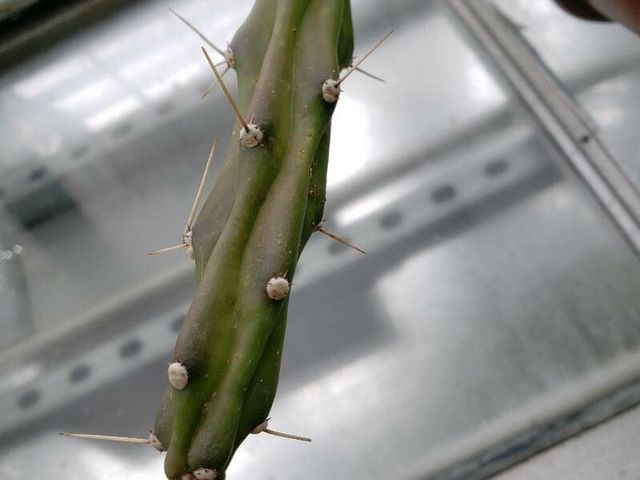
Gymnocalycium mihanovichii var. friedrichii (the colorful moon cactus scion) has an inherently limited lifespan regardless of graft success. The genetic variegation that produces red, yellow, orange, or pink coloration results from a natural mutation that eliminates chlorophyll production. Without photosynthetic capacity, the scion functions purely as a parasite on the Hylocereus rootstock. Even under ideal conditions, grafted moon cactus have a biological lifespan of 12-36 months before the scion exhausts its cellular regeneration capacity or the graft union degrades from accumulated metabolic stress.
How to Fix It
- 1
Accept lifespan limitations: 1-3 years is normal for grafted moon cactus
- 2
Plan for succession: propagate rootstock cuttings when scion shows vigor
- 3
When scion declines: remove it to preserve rootstock for future grafts
- 4
Document graft age: mark purchase date to distinguish natural aging from care problems
- 5
Transition expectations: treat moon cactus as temporary display plants rather than permanent specimens
How to Prevent It
Select younger, smaller scions (under 2 inches diameter) which have more cellular vigor and longer potential graft lifespan. Avoid oversized scions that stress the rootstock's vascular capacity.