Bud Blast Low Humidity on orchid
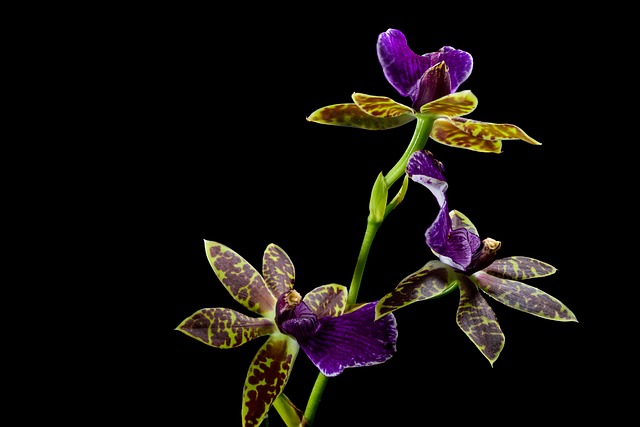
What's Happening
Phalaenopsis orchids require 50-70% humidity to maintain turgidity in developing flower buds. When ambient humidity drops below 40%—common in heated indoor environments during winter—the buds lose moisture faster than roots can replenish it. This desiccation stress triggers ethylene production, which accelerates bud senescence and drop. The first sign is often bud wrinkling or yellowing at the base before sudden drop.
How to Fix It
- 1
Increase humidity immediately: use humidifier set to 60%+ within 3 feet of plant
- 2
Group orchids together—collective transpiration creates localized humidity boost
- 3
Use pebble trays filled with water placed beneath pots (do NOT let pots sit in water)
- 4
Mist buds DAILY with distilled water if humidifier unavailable
- 5
Remove yellowing buds to redirect plant energy to remaining viable flowers
How to Prevent It
Maintain 50-70% humidity year-round using humidifiers, pebble trays, or grouping plants to create microclimates. Avoid placing orchids near heating vents or radiators. Monitor with hygrometer positioned at plant level.