Bud Blast Temperature Shock on orchid
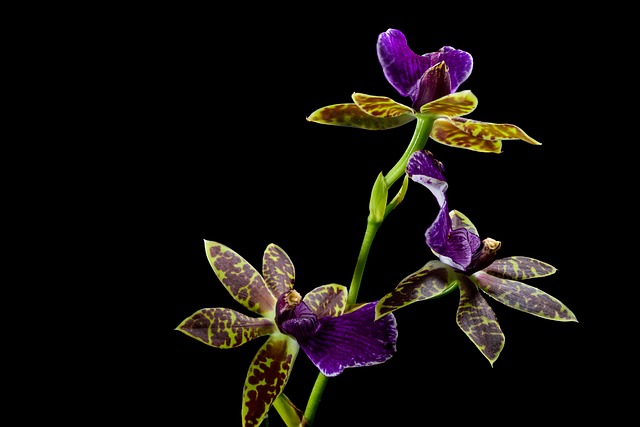
What's Happening
Phalaenopsis orchids evolved in stable tropical environments where temperature fluctuates only 5-10°F daily. Sudden temperature shifts exceeding 15°F—common when plants are moved from stores to homes, placed near heating/cooling vents, or exposed to seasonal drafts—trigger ethylene production in developing flower buds. Ethylene is a gaseous hormone that accelerates senescence, causing buds to yellow and drop within 24-72 hours of exposure.
How to Fix It
- 1
Stabilize temperature immediately: move plant to location with consistent 65-75°F temperatures
- 2
Remove any buds showing yellowing to redirect plant energy to remaining healthy buds
- 3
Increase humidity to 50-60% to reduce transpiration stress during recovery
- 4
Avoid fertilizing until new growth appears
- 5
Expect 4-6 week recovery period before new flower spikes initiate
How to Prevent It
Maintain stable temperatures between 65-80°F year-round. When purchasing orchids, insulate them during transport home. Position plants away from heating/cooling vents, exterior doors, and windows with poor weather sealing. Acclimate new plants gradually over 7-10 days.