Dropping Leaves on peperomia
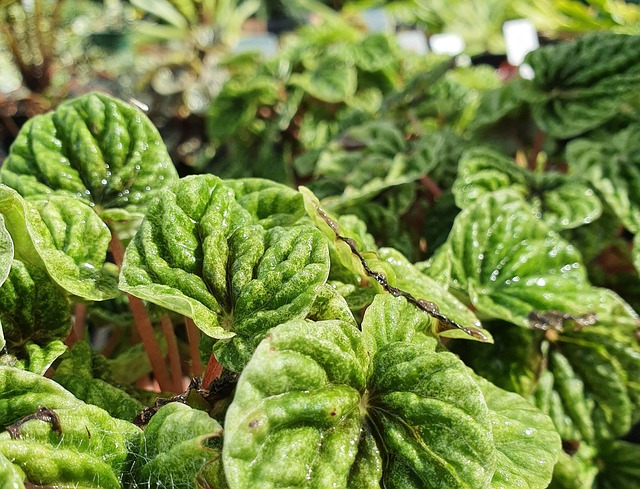
What's Happening
Leaf drop in Peperomia is primarily caused by overwatering leading to root rot or chronic soil moisture. The shallow, fine root systems of Peperomias suffocate in waterlogged soil, causing roots to die back. This prevents the plant from supporting its foliage, resulting in progressive leaf drop starting from the bottom. The 'drainage rocks' myth exacerbates this by creating a perched water table that keeps soil saturated longer. Underwatering can also cause leaf drop but is less common and typically shows wrinkled leaves before dropping.
How to Fix It
- 1
Check soil moisture: insert finger 2-3 inches deep; if damp, do not water
- 2
Remove plant from pot and inspect roots: healthy roots are white/firm; rotted roots are black/mushy with foul odor
- 3
Trim all rotted roots with sterilized shears; rinse healthy roots
- 4
Repot in fresh well-draining mix: 50% potting soil, 30% perlite, 20% orchid bark
- 5
Use pot only 1 inch larger than root ball; remove any drainage rocks from bottom
- 6
Water only when soil is dry 50-70% through the pot; use moisture meter for accuracy
- 7
Provide bright indirect light to increase transpiration and soil drying
How to Prevent It
Avoid the 'drainage rock' myth—rocks at the bottom reduce soil volume and create perched water tables. Use pots with drainage holes but no additional rocks. Water only when soil is significantly dry (top 2-3 inches). Use terracotta pots for breathability. Maintain bright indirect light (2000+ lux) to drive transpiration. Reduce watering 50% in winter.