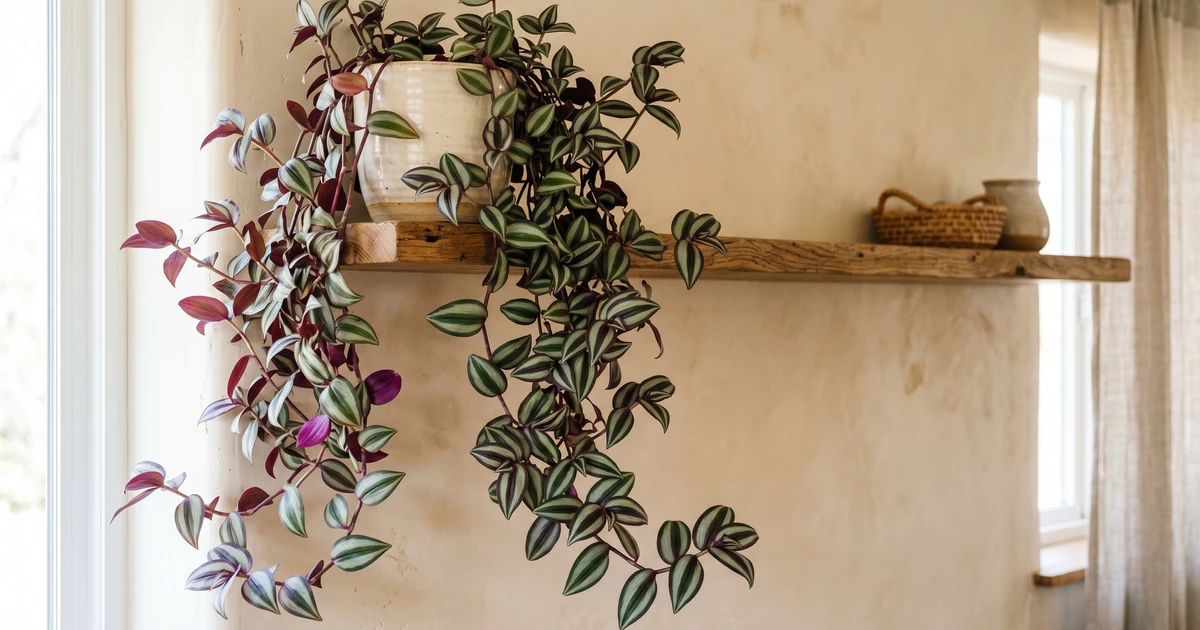
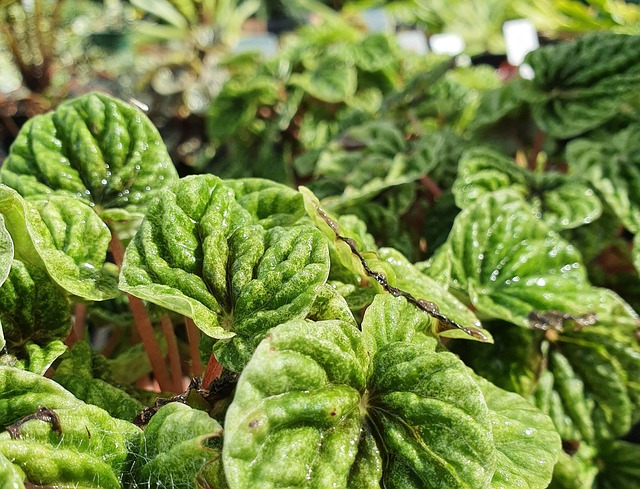
peperomia
Peperomia spp.
Also known as: Radiator Plant
Evidence-based care guide for Peperomia (Peperomia spp.). Covers disease treatment, symptom diagnosis, propagation methods, watering and lighting. Our analysis draws from 26 verified community cases with an average confidence score of 88%. Each protocol is synthesized from real rescue outcomes, not generic advice.
Care Essentials
Get to Know Your Peperomia
The #1 killer? Overwatering. Let the soil dry between waterings and your Peperomia will thrive.
Light
medium to bright indirect
Tolerates lower light but grows best in medium to bright indirect light. Can get leggy without enough light.
💡 Grow lights: Thrives under artificial grow lights (LED or fluorescent, 10-12 hours/day). A great option if your space lacks natural light.
Watering
every 10-14 days
Let the soil dry out significantly between waterings — this plant is very sensitive to overwatering. When in doubt, wait another day.
Humidity & Temperature
Loves higher humidity (60%+). If your air is dry, group it with other plants, use a pebble tray, or run a humidifier nearby.
Prefers moderate temperatures (60-80°F). Keep away from radiators and intense afternoon sun windows.
Soil
Needs well-draining soil — add perlite or orchid bark to a standard potting mix. Good drainage is critical to prevent root rot.
Care Requirements
At a Glance
Care Profile in Development
While our detailed care profile is being compiled, you can find specific care guidance in the 4 care-related diagnoses below — including watering schedules, light requirements, and propagation methods from real-world cases.
Start Here
Most Common Problems
Based on 26 analyzed cases — these are the issues you're most likely to encounter
Don't see your symptom? Search all 19 topics below, or run the Diagnostic.
Why does my Peperomia have root rot?
Advanced root or stem rot that has compromised the vascular system of the main...
What are these brown spots on my Peperomia?
Thrips infestation causes brown spots on Peperomia leaves through rasping...
Is my Peperomia overwatered?
Peperomia overwatering damage occurs when soil remains moist for extended...
Why is my Peperomia dropping leaves?
Peperomia leaf drop stems from moisture imbalance disrupting the fine, shallow...
How do I propagate my Peperomia?
Peperomia propagation failure occurs when cuttings lack proper environmental...
Which of the 7 Killers
is threatening your plants?
We analyzed 1,616 documented plant deaths to identify the 7 causes behind 78% of all losses. Answer 5 questions — we'll tell you exactly which ones apply to your setup.
Skip the quiz — get The 7 Killers course ($19) →Question 1 of 5
How do you decide when to water your plants?
Question 2 of 5
Where do most of your plants live?
Question 3 of 5
What's your home environment like?
Question 4 of 5
Have you lost a plant in the last 6 months?
Question 5 of 5
How often do you check your plants for pests?
Your diagnosis is ready
We've identified your top 2 risk killers. Enter your email to see the full breakdown and your personalized rescue protocol.
Your plants are most at risk from:

The 7 Killers mini-course covers every one of these in depth — mechanism, rescue protocol, prevention. 1,616 cases. 7 lessons. $19.
Get The 7 Killers — $19 →Get the Plant Mortality Checklist
The 7 killers behind 78% of houseplant deaths — and the exact fix for each. Free PDF based on 1,616 documented cases.
Your checklist is ready!
We also sent it to your inbox. Check your email for the full download.
Open the ChecklistFree. No spam. Unsubscribe anytime.
Verified Data
All Diagnoses
19 topics consolidated from 26 documented cases. Expand any topic to see all protocols.
Symptoms (2 topics · 4 cases)
What are these brown spots on my Peperomia?
Thrips infestation causes brown spots on Peperomia leaves through rasping feeding damage that creates stippling and necrotic lesions
3 protocols
84–88%
What are these brown spots on my Peperomia?
Thrips infestation causes brown spots on Peperomia leaves through rasping feeding damage that creates stippling and necrotic lesions
Protocol 1: brown spots · 88% confidence
Cause
Thrips infestation causes brown spots on Peperomia leaves through rasping feeding damage that creates stippling and necrotic lesions. Thrips are tiny (1-2mm) slender insects that appear as orange worm-like creatures when magnified. Look for elongated yellow dots (larvae), silvery scarring, and a dusty appearance from black fecal pellets (frass) that resist cleaning. Thrips thrive in warm, dry indoor conditions and spread rapidly to other plants since adults can fly.
Solutions
- Magnify leaves (10x+ loupe or phone macro) to confirm tiny pale/orange slender adults/larvae moving rapidly
- Isolate plant immediately to prevent spread; check and treat all other plants in home
- Prune and discard heavily damaged leaves in sealed bag
- Apply insecticidal soap or neem oil spray to all surfaces, especially undersides/new growth; repeat every 5-7 days for 3 weeks
- Deploy yellow sticky traps near plant to capture flying adults
- Cover soil surface with sand or LECA to deter thrips hiding in soil
- Wash all leaves thoroughly to remove pests and frass
Prevention
Quarantine new plants for 2-4 weeks with weekly pest scans using magnification; maintain 60%+ humidity via pebble tray or humidifier (thrips prefer <50% RH); ensure bright indirect light and good airflow; apply preventive neem oil foliar sprays monthly; inspect leaf bases and undersides regularly where thrips hide.
Protocol 2: brown spots · 87% confidence
Cause
Brown spots on Peperomia leaves result from sun scorch (phototoxicity) caused by excessive direct light exposure, particularly in plants kept in compacted, collapsing soil or small pots. The combination of intense light and poor root conditions creates cellular damage. This differs from oedema (corking), which produces corky, tan lesions from overwatering combined with low transpiration rates in dim conditions. Watermelon Peperomia (P. argyreia) may also display natural dark markings that are cosmetic, not pathological.
Solutions
- Move plant 2-3 feet back from south-facing windows or relocate to east-facing indirect light
- Repot into fresh, well-draining but absorbent soil mix (peat/perlite/vermiculite 2:1:1) if soil is compacted or hydrophobic
- Water thoroughly post-repotting, then maintain consistent moisture without sogginess
- Increase humidity to 50-60% using pebble trays or humidifiers
- Trim affected leaves to redirect energy; monitor for new growth in 2-4 weeks
Prevention
Repot every 12-18 months when growth stalls; use self-watering pots for consistent moisture; position in bright indirect light (east window ideal, filter south light with sheer curtain); maintain 50-70% humidity; check soil compaction regularly and avoid leaving plants in nursery pots with collapsing soil for extended periods.
Protocol 3: brown spots · 84% confidence
Cause
Fungal leaf spot diseases (Cercospora, anthracnose, or Phyllosticta) cause brown spots on Peperomia leaves. These pathogens thrive in high humidity environments with poor air circulation, particularly when plants are clustered closely together. Simultaneous onset of symptoms across multiple plants in proximity indicates contagious spread rather than environmental stress. Kitchen environments with excess humidity (>60%) and stagnant air are particularly conducive to fungal proliferation.
Solutions
- Isolate affected plants immediately to prevent spread to other houseplants
- Remove and discard spotted leaves with sterilized scissors; seal in bag and dispose
- Improve airflow by spacing plants 6-12 inches apart and using a small fan on low speed
- Apply neem oil or copper-based fungicide weekly for 2-3 weeks, covering all leaf surfaces
- Ensure soil dries fully between waterings; avoid wetting leaves during watering
- Monitor humidity (aim for 40-60%) and use dehumidifier if kitchen humidity is excessive
Prevention
Maintain 6-12 inch spacing between plants for adequate airflow; use pebble trays or dehumidifiers to control excess humidity; sterilize tools between plants; quarantine new plants for 2-4 weeks; avoid overhead watering; ensure bright indirect light to promote healthy leaf tissue.
Why is my Peperomia wilting?
Drooping leaves in Peperomia are most commonly caused by root rot from overwatering
91%
Why is my Peperomia wilting?
Drooping leaves in Peperomia are most commonly caused by root rot from overwatering
Cause
Drooping leaves in Peperomia are most commonly caused by root rot from overwatering. As semi-succulents, Peperomias store water in their thick leaves and stems, making them highly susceptible to fungal pathogens in soggy soil. Overwatering creates anaerobic conditions where roots suffocate and rot, turning black and mushy with a foul odor. This prevents water uptake, paradoxically causing drooping that mimics underwatering. Common triggers include: watering on a rigid schedule (weekly), using pots without drainage, dense nursery soil that retains moisture, and top dressing stones that trap humidity.
Solutions
- Remove plant from pot and gently shake off soil; inspect roots for rot (healthy = white/firm; rotted = black/mushy/brown with foul odor)
- Sterilize shears with 70% alcohol and trim ALL rotted tissue until only firm white roots remain
- Rinse remaining roots and disinfect with 3% hydrogen peroxide diluted 1:4 for 1-2 minutes
- Repot in fresh chunky mix: 50% potting soil, 30% perlite, 20% orchid bark for superior aeration
- Use terracotta pot for wicking excess moisture; ensure multiple drainage holes
- Place in bright indirect light and withhold water until top 2 inches of soil dry completely
- New growth indicates recovery in 2-4 weeks
Prevention
Water only when soil is dry 50-70% deep (use moisture meter or wooden skewer); never rely on topsoil dryness alone. Use terracotta pots for breathability. Remove moisture-trapping top stones. Provide bright indirect light (2000+ lux) to maintain transpiration. Reduce watering 50% in winter when light is low. Bottom-water by soaking 10-15 minutes then drain fully.
Diseases (1 topics · 3 cases)
Why does my Peperomia have root rot?
Advanced root or stem rot that has compromised the vascular system of the main plant
3 protocols
91–95%
Why does my Peperomia have root rot?
Advanced root or stem rot that has compromised the vascular system of the main plant
Protocol 1: root rot · 95% confidence
Cause
Advanced root or stem rot that has compromised the vascular system of the main plant. Fortunately, Peperomias possess a high capacity for adventitious root formation from almost any healthy leaf or stem segment, making them one of the easiest plants to salvage from a total root collapse.
Solutions
- Discard all mushy, black, or foul-smelling roots and stems.
- Take stem cuttings (with at least one node) or leaf cuttings (with petiole) from the healthiest remaining tissue.
- Sterilize shears with alcohol between every cut to prevent pathogen spread.
- Propagate in water (change weekly) or moist perlite under a humidity dome/plastic bag.
- Roots typically form within 1-3 weeks in bright indirect light.
Prevention
Never attempt to save a plant by just 'letting it dry out' if rot is already present in the stems; surgical excision of healthy tissue is necessary.
Protocol 2: root rot · 92% confidence
Cause
Peperomia root rot is primarily caused by fungal pathogens Pythium spp. and Fusarium spp. thriving in anaerobic, waterlogged soil conditions. These semi-succulent plants possess fine, shallow root systems adapted to epiphytic environments with rapid drainage. When soil retains moisture for 7+ days, oxygen levels drop below 2mg/L, triggering pathogen proliferation. Secondary factors include compacted nursery soil, lack of drainage holes, and ceramic pots that prevent evaporation. Rot begins at root tips and progresses upward to the rhizome crown within 2-3 weeks of overwatering.
Solutions
- Immediately unpot plant and gently rinse all soil from roots under lukewarm water
- Inspect roots thoroughly—healthy roots are white/firm, rotting roots are black/mushy/foul-smelling
- Sterilize scissors with 70% alcohol; trim ALL affected roots plus 1 inch into healthy tissue
- Treat cut surfaces with 3% hydrogen peroxide solution (1:4 with water) for 15-20 minutes
- Air-dry plant on paper towel 24-48 hours in bright indirect light to callus wounds
- Repot in completely dry, sterile gritty mix using fresh unglazed terracotta pot
- Wait 7-10 days before first watering; water sparingly with bottom-watering technique only
Prevention
Use unglazed terracotta pots exclusively to wick moisture through porous walls. Create custom mix: 40% peat/coco coir, 40% perlite/pumice, 20% orchid bark for maximum drainage. Water only when moisture meter reads 20% or top 2-3 inches are bone-dry. Ensure pots have 3-5 drainage holes minimum. Maintain bright indirect light (3000-5000 lux) to increase transpiration and soil drying rates.
Protocol 3: root rot · 91% confidence
Cause
Use of dense, overly organic potting soil (standard nursery mix) that retains moisture too long for Peperomia's fine, epiphytic-like roots. Compaction creates anaerobic pockets where pathogens thrive, even if the plant is watered infrequently.
Solutions
- Repot the plant into a chunky, high-porosity mix (e.g., 40% perlite, 30% orchid bark, 30% coco coir).
- Gently remove as much old, dense soil from the root ball as possible without snapping roots.
- Switch to unglazed terracotta pots, which allow the soil to breathe and dry out from all sides.
- Wait 3-5 days after repotting before watering to allow any root micro-tears to callus.
Prevention
Avoid using generic 'moisture control' soils; implement a bottom-watering routine to ensure soil is fully saturated but never waterlogged; refresh substrate every 18 months.
Pests (1 topics · 1 cases)
What pests are on my Peperomia?
Peperomias attract spider mites (Tetranychus urticae) and develop powdery mildew (Oidium spp
88%
What pests are on my Peperomia?
Peperomias attract spider mites (Tetranychus urticae) and develop powdery mildew (Oidium spp
Cause
Peperomias attract spider mites (Tetranychus urticae) and develop powdery mildew (Oidium spp.) when low humidity (<40%) and stagnant air create favorable microclimates. Spider mites thrive in dry conditions, feeding on leaf undersides and causing stippling, webbing, and deformed leaves. Peperomia angulata and similar varieties with thin, succulent foliage are particularly susceptible—their waxy cuticle retains surface moisture, promoting fungal spore germination when airflow is insufficient. Low humidity also reduces plant vigor, making specimens more vulnerable to infestation.
Solutions
- Magnify leaf undersides and new growth with flashlight—look for tiny moving specks, stippling, or fine webbing
- Isolate affected plant immediately to prevent spread to collection
- For spider mites: wipe leaves with 70% isopropyl alcohol on cotton swab, followed by neem oil spray every 3-5 days for 2-3 weeks
- For powdery mildew: prune affected leaves, improve air circulation, apply potassium bicarbonate or diluted neem oil weekly
- Boost humidity to 60%+ via humidifier to prevent recurrence and support plant recovery
- Monitor weekly with photos; discard if infestation persists beyond 3 treatment cycles
Prevention
Maintain 50-70% relative humidity using humidifiers or pebble trays. Ensure consistent airflow with small fans operating 4-6 hours daily to disrupt fungal spore settlement and mite colonization. Quarantine new plants for 14 days. Inspect leaf undersides weekly with 10x loupe for early mite detection. Water from below to keep foliage dry.
Watering Issues (2 topics · 3 cases)
Is my Peperomia overwatered?
Peperomia overwatering damage occurs when soil remains moist for extended periods, creating anaerobic conditions below 2mg/L dissolved oxygen
2 protocols
88–93%
Is my Peperomia overwatered?
Peperomia overwatering damage occurs when soil remains moist for extended periods, creating anaerobic conditions below 2mg/L dissolved oxygen
Protocol 1: overwatering · 93% confidence
Cause
Peperomia overwatering damage occurs when soil remains moist for extended periods, creating anaerobic conditions below 2mg/L dissolved oxygen. The plant's succulent-like stems and rhizomes store water reserves, making it highly susceptible to Phytophthora and Pythium fungal pathogens in waterlogged soil. Unlike true succulents, Peperomias lack CAM photosynthesis efficiency—excess moisture triggers cellular rupture and root hair death within 7-10 days of saturation. Ceramic pots and moisture-retentive nursery mixes exacerbate the issue by preventing evaporation.
Solutions
- Unpot immediately and inspect roots—trim all black, mushy tissue with sterilized shears
- Treat remaining roots with 3% hydrogen peroxide solution (1:4 water ratio) for 20 minutes to oxygenate and kill pathogens
- Air-dry plant 24-48 hours in bright indirect light to callus cut wounds
- Repot in sterile, gritty mix: 40% peat, 40% perlite, 20% orchid bark
- Resume watering only after 7-10 days; water sparingly using bottom-watering technique
- Switch to terracotta pot to accelerate moisture evaporation through porous walls
Prevention
Adopt 'soak and dry' methodology: water thoroughly until drainage occurs, then allow complete soil dry-out before next watering. Use unglazed terracotta pots exclusively. Mix potting soil with 30-40% perlite or pumice for aeration. Maintain bright indirect light (2000-5000 lux) to increase transpiration and soil drying rates. Monitor with moisture meter set to 20-30% threshold.
Protocol 2: overwatering · 88% confidence
Cause
Peperomia species have semi-succulent root systems and epiphytic adaptations that require rapid wet-dry cycles. Prolonged soil saturation (>7 days) creates anaerobic conditions promoting Pythium and Phytophthora species, causing basal stem rot that progresses upward from the soil line. Poor drainage exacerbates this despite infrequent watering schedules.
Solutions
- Unpot plant and inspect roots—trim all brown, mushy, or foul-smelling roots with sterilized shears
- Treat cut surfaces with hydrogen peroxide (3% solution) or cinnamon powder as natural antifungal barrier
- Repot in fresh well-draining mix: 50% peat or coco coir, 30% perlite, 20% orchid bark
- Allow soil to dry completely (top 2-3 inches) between waterings—use wooden skewer test
- Switch to terracotta pots to enhance evaporation and prevent moisture retention
Prevention
Water only when top 2-3 inches of soil are bone-dry. Use well-draining aroid mix with drainage holes. Maintain 40-60% humidity without waterlogging soil.
Is my Peperomia underwatered?
While Peperomias are semi-succulent and tolerate drier conditions than tropical plants, prolonged underwatering causes fine, shallow roots to desiccate and die back
88%
Is my Peperomia underwatered?
While Peperomias are semi-succulent and tolerate drier conditions than tropical plants, prolonged underwatering causes fine, shallow roots to desiccate and die back
Cause
While Peperomias are semi-succulent and tolerate drier conditions than tropical plants, prolonged underwatering causes fine, shallow roots to desiccate and die back. Unlike overwatering which causes mushy, blackened roots, underwatered roots become dry, brittle, and papery. The plant responds with curling leaves, drooping, and sudden dramatic leaf drop as a survival mechanism to conserve remaining moisture. This creates a dangerous cycle: dead roots cannot uptake water, so watering the plant appears ineffective, leading plant parents to assume they need more water (causing overwatering/rot) or less water (worsening the underwatering).
Solutions
- Confirm diagnosis: dry, brittle roots versus black/mushy (overwatering); leaves feel thin and papery rather than turgid
- For mild underwatering: water thoroughly until drainage occurs; leaves typically perk within 24-48 hours
- For severely dry soil: bottom-water by placing pot in water for 20-30 minutes until soil fully absorbs moisture
- Trim dead roots: remove dry, brittle roots with sterilized shears to prevent secondary issues
- Resume normal care: allow top 2 inches to dry between waterings, but don't extend dry periods excessively
- Monitor recovery: new growth indicates successful rehydration; continued decline suggests root rot instead
- Prevent hydrophobic soil: bottom-water occasionally to ensure full soil saturation and prevent water-repelling dry pockets
Prevention
Establish consistent watering schedule based on soil dryness, not calendar. Use finger test or moisture meter to check top 2 inches of soil. In dry climates or heated winter homes, check more frequently. Bottom-water occasionally to prevent hydrophobic soil.
Environment (1 topics · 1 cases)
Does my Peperomia need more humidity?
Watermelon Peperomia (Peperomia argyreia) and similar varieties experience leaf splitting when turgor pressure from rapid water uptake exceeds epidermal expansion capacity during leaf unfurling
84%
Does my Peperomia need more humidity?
Watermelon Peperomia (Peperomia argyreia) and similar varieties experience leaf splitting when turgor pressure from rapid water uptake exceeds epidermal expansion capacity during leaf unfurling
Cause
Watermelon Peperomia (Peperomia argyreia) and similar varieties experience leaf splitting when turgor pressure from rapid water uptake exceeds epidermal expansion capacity during leaf unfurling. High humidity (>80% RH) without adequate airflow promotes water retention, while low humidity (<40% RH) during unfurling causes desiccation tears in the spiral-emerging leaves.
Solutions
- Maintain humidity at 60-70% RH using pebble trays, humidifiers, or plant grouping
- Increase airflow with small fan to prevent stagnant moisture while maintaining humidity
- Mist leaves gently in mornings during unfurling periods; avoid evening misting
- Use humidity dome or glass cloche for new growth periods to stabilize microclimate
- Monitor with hygrometer and adjust humidifier distance to prevent excess moisture retention
Prevention
Maintain consistent 60-70% humidity year-round. Ensure good airflow to prevent fungal issues. Monitor new leaf unfurling closely and provide humidity support during these vulnerable periods.
Propagation (1 topics · 2 cases)
How do I propagate my Peperomia?
Peperomia propagation failure occurs when cuttings lack proper environmental triggers for adventitious root formation
2 protocols
86–89%
How do I propagate my Peperomia?
Peperomia propagation failure occurs when cuttings lack proper environmental triggers for adventitious root formation
Protocol 1: propagation · 89% confidence
Cause
Peperomia propagation failure occurs when cuttings lack proper environmental triggers for adventitious root formation. These plants propagate via stem cuttings, leaf cuttings, and node submersion in water—however, success depends on humidity (70%+ RH), temperature (70-80°F), and oxygen availability. Extended water submersion without water changes leads to bacterial soft rot in the thick, succulent cutting tissue. Insufficient humidity causes desiccation before roots emerge. Improper cutting selection (non-nodal stems) results in zero root formation.
Solutions
- Select healthy stem with 2-3 nodes and leaves; cut 4-6 inches with sterile razor
- Remove lower leaves to expose nodes; allow cut end to callus 24-48 hours on paper towel
- For water propagation: submerge 2 nodes in tall glass of room-temperature dechlorinated water
- Change water every 3-4 days; roots emerge in 1-3 weeks depending on temperature
- For soil propagation: plant 2 inches deep in moist perlite or chunky mix; cover with humidity dome
- Transplant to permanent pot when roots reach 2-3 inches long; use well-draining aroid mix
- Maintain high humidity for 2 weeks post-transplant to minimize shock
Prevention
Select cuttings with at least 2-3 nodes and visible leaf axils. Use sterile, sharp tools to prevent crushing. Allow cut ends to callus 24-48 hours before water or soil rooting. Maintain high humidity (70-80%) using propagation domes or plastic bags. Change water every 3-4 days to prevent stagnation. Root in bright indirect light only—avoid direct sun which overheats cuttings.
Protocol 2: propagation · 86% confidence
Cause
Peperomia species readily propagate via leaf cuttings and stem cuttings due to their ability to form adventitious roots from petioles and nodes. This facultative propagation trait allows recovery from root rot or overwatering damage by bypassing compromised root systems entirely.
Solutions
- For leaf propagation: Select healthy mature leaves, cut petiole cleanly with sterilized scissors, place in water jar or moist well-draining soil
- For stem propagation: Cut 3-4 inch stem sections with 2-3 nodes, remove lower leaves, plant in moist mix (50% peat, 50% perlite)
- Maintain high humidity (70-80%) with humidity dome or plastic cover for first 2-3 weeks
- Keep in bright indirect light; roots typically form in 2-4 weeks for water propagation, 3-6 weeks in soil
- Transplant rooted cuttings when roots reach 1-2 inches; maintain consistent moisture for first 2 weeks
Prevention
Propagate healthy plants before stress occurs. Use sterile tools to prevent infection. Maintain high humidity during rooting phase. Avoid overwatering freshly rooted cuttings.
Maintenance (3 topics · 3 cases)
How should I fertilize my Peperomia?
Peperomias are light feeders adapted to nutrient-poor epiphytic environments
85%
How should I fertilize my Peperomia?
Peperomias are light feeders adapted to nutrient-poor epiphytic environments
Cause
Peperomias are light feeders adapted to nutrient-poor epiphytic environments. Over-fertilization causes more harm than under-fertilization, leading to salt buildup, root burn, and leggy weak growth. Yellowing leaves, particularly older ones, often indicate nitrogen deficiency in unfertilized plants, especially after a year or more in the same soil. However, Peperomias' growth slows significantly in fall and winter due to shorter days and lower light, reducing their nutrient needs. Applying fertilizer during dormant periods risks nutrient toxicity and salt accumulation that manifests as brown leaf tips and margins.
Solutions
- Fertilize only during active growth: spring through summer when new growth is visible
- Use balanced liquid fertilizer (20-20-20 or similar) at 1/4 to 1/2 strength every 4-6 weeks
- For stressed or repotted plants: apply diluted stress tonic like Fox Farm Bushdoctor Boomerang or SUPERthrive
- Flush soil every 2-3 months: run plain water through pot for 2-3 minutes to remove salt buildup
- Monitor for deficiency signs: older leaf yellowing indicates nitrogen deficiency; address with gentle feeding
- Reduce or eliminate fertilizer in fall and winter: plants enter semi-dormancy with reduced nutrient needs
- If leaf burn occurs: flush soil thoroughly, reduce fertilizer strength, and remove damaged leaves
Prevention
Use light, infrequent feeding—Peperomias thrive on neglect. Flush soil regularly to prevent salt buildup. Match fertilization to growing season only. When in doubt, skip feeding rather than risk over-fertilization.
How do I prune my Peperomia?
Peperomias naturally become leggy over time, especially varieties like Peperomia argyreia (Watermelon) and trailing types like P
87%
How do I prune my Peperomia?
Peperomias naturally become leggy over time, especially varieties like Peperomia argyreia (Watermelon) and trailing types like P
Cause
Peperomias naturally become leggy over time, especially varieties like Peperomia argyreia (Watermelon) and trailing types like P. scandens. Without intervention, plants develop sparse growth with long bare stems and foliage concentrated at the tips. This etiolation not only looks unsightly but weakens the plant's structure. Additionally, dead or damaged leaves should be removed to prevent disease and redirect energy to healthy growth. Unlike woody plants, Peperomias respond excellently to pruning, readily producing new growth from cut nodes.
Solutions
- Remove dead or damaged leaves: trim at the base with clean, sterilized scissors to prevent infection
- Pinch back leggy growth: cut stems just above a node (where leaf meets stem) to encourage branching
- Don't remove more than 1/3 of plant at once: severe pruning stresses semi-succulent plants
- Propagate pruned cuttings: use 3-4 inch stem sections with nodes for water or soil propagation
- Shape trailing varieties: trim to desired length and propagate cuttings to fill in sparse areas
- Timing: prune in spring or summer during active growth for fastest recovery
- Post-pruning care: maintain consistent moisture and bright indirect light to support new growth
Prevention
Provide adequate light from the start to prevent etiolation. Rotate plants weekly for even growth. Choose appropriate varieties for your space—trailing types for hanging baskets, upright varieties for tables. Regular light pruning maintains compact shape better than severe renovation.
When should I repot my Peperomia?
Peperomias prefer being slightly root-bound and have fine, sensitive root systems that resent disturbance
87%
When should I repot my Peperomia?
Peperomias prefer being slightly root-bound and have fine, sensitive root systems that resent disturbance
Cause
Peperomias prefer being slightly root-bound and have fine, sensitive root systems that resent disturbance. Unnecessary repotting causes transplant shock—diverted energy to root recovery results in drooping, stunted growth, and leaf drop for 2-6 weeks. The semi-succulent nature of Peperomias means they store water in stems and leaves, allowing them to survive root disturbance better than tropical plants, but recovery is still stressful. Many plant parents incorrectly assume annual repotting is necessary, when Peperomias often thrive for 2-3 years in the same pot with only top-dressing of fresh soil.
Solutions
- Repot only when necessary: roots circling pot, growing through drainage holes, or plant becoming top-heavy
- Best timing: spring or early summer when plant enters active growth phase
- Select pot size carefully: choose container only 1 inch larger than current pot to prevent moisture issues
- Use well-draining fresh mix: 50% peat/coco coir, 30% perlite, 20% orchid bark
- Water 2-3 days before repotting: softens soil and reduces root damage during extraction
- Handle roots gently: Peperomias have fine, shallow roots—minimize disturbance and don't remove all old soil
- After repotting: water thoroughly, then allow soil to dry before next watering; maintain stable environment
- Expect recovery time: new growth may take 2-6 weeks to appear as roots reestablish
Prevention
Don't repot unnecessarily—Peperomias prefer being slightly root-bound. Top-dress with fresh soil annually instead of full repotting. Choose correct pot size initially to minimize future repotting needs. Handle roots minimally during the process.
Other Topics (8 topics · 9 cases)
Why are my Peperomia leaves curling?
Curling leaves in Peperomia indicate water stress—either underwatering or overwatering
82%
Why are my Peperomia leaves curling?
Curling leaves in Peperomia indicate water stress—either underwatering or overwatering
Cause
Curling leaves in Peperomia indicate water stress—either underwatering or overwatering. Underwatering causes leaves to curl inward to conserve moisture, often accompanied by wrinkling and crispy edges. Overwatering can also cause curling as roots fail and cannot transport water. Low humidity, pests (thrips, spider mites), and cold drafts can also trigger curling as protective responses. The semi-succulent nature of Peperomia leaves makes them particularly responsive to moisture imbalances.
Solutions
- Assess soil moisture: bone dry = underwatering; damp/soggy = overwatering/root rot
- For underwatering: water thoroughly until it drains from bottom; remove crispy curled leaves
- For overwatering: unpot, inspect roots, trim rot, repot in fresh well-draining mix
- Increase humidity to 50-60% using pebble trays or humidifiers (not misting)
- Inspect for pests: use 10x magnification to check for thrips or spider mites on undersides
- Remove from cold drafts; maintain temperatures above 65°F (18°C)
- Monitor new growth over 2-3 weeks for recovery signs
Prevention
Maintain consistent watering schedule—water when top 2 inches of soil are dry but never let soil become bone dry. Use well-draining soil with perlite. Keep humidity at 50-60%. Avoid cold drafts from windows or AC vents. Quarantine new plants to prevent pest introduction. Provide bright indirect light for consistent transpiration.
Peperomia: Dropping Leaves
Leaf drop in Peperomia is primarily caused by overwatering leading to root rot or chronic soil moisture
89%
Peperomia: Dropping Leaves
Leaf drop in Peperomia is primarily caused by overwatering leading to root rot or chronic soil moisture
Cause
Leaf drop in Peperomia is primarily caused by overwatering leading to root rot or chronic soil moisture. The shallow, fine root systems of Peperomias suffocate in waterlogged soil, causing roots to die back. This prevents the plant from supporting its foliage, resulting in progressive leaf drop starting from the bottom. The 'drainage rocks' myth exacerbates this by creating a perched water table that keeps soil saturated longer. Underwatering can also cause leaf drop but is less common and typically shows wrinkled leaves before dropping.
Solutions
- Check soil moisture: insert finger 2-3 inches deep; if damp, do not water
- Remove plant from pot and inspect roots: healthy roots are white/firm; rotted roots are black/mushy with foul odor
- Trim all rotted roots with sterilized shears; rinse healthy roots
- Repot in fresh well-draining mix: 50% potting soil, 30% perlite, 20% orchid bark
- Use pot only 1 inch larger than root ball; remove any drainage rocks from bottom
- Water only when soil is dry 50-70% through the pot; use moisture meter for accuracy
- Provide bright indirect light to increase transpiration and soil drying
Prevention
Avoid the 'drainage rock' myth—rocks at the bottom reduce soil volume and create perched water tables. Use pots with drainage holes but no additional rocks. Water only when soil is significantly dry (top 2-3 inches). Use terracotta pots for breathability. Maintain bright indirect light (2000+ lux) to drive transpiration. Reduce watering 50% in winter.
Why is my Peperomia dropping leaves?
Peperomia leaf drop stems from moisture imbalance disrupting the fine, shallow root system
2 protocols
85–91%
Why is my Peperomia dropping leaves?
Peperomia leaf drop stems from moisture imbalance disrupting the fine, shallow root system
Protocol 1: leaf drop · 91% confidence
Cause
Peperomia leaf drop stems from moisture imbalance disrupting the fine, shallow root system. Peperomias evolved as semi-epiphytic succulents with sparse, brittle roots that cannot tolerate prolonged soil saturation. When overwatered or placed in moisture-retentive soil, roots suffocate in anaerobic conditions, triggering rapid leaf abscission as the plant sheds foliage to conserve energy. Additionally, low indoor humidity (<40%) causes epinasty—rapid leaf drop via hormonal stress response—distinct from root rot. Drainage rocks at pot bottoms worsen this by creating perched water tables that keep soil saturated longer.
Solutions
- Inspect root system by gently unpotting; trim any black, mushy roots with sterilized scissors
- Switch to terracotta pots with drainage holes only—eliminate decorative cache pots
- Repot in chunky mix: 50% peat/coco coir, 30% perlite, 20% orchid bark for rapid dry-down
- Water using finger test: insert 2 inches deep, water only when completely dry
- For humidity-stressed plants: place in enclosed terrarium or humidity dome at 70%+ RH for 2 weeks recovery
Prevention
Maintain soil moisture at 20-30% capacity using well-draining aroid mix (50% peat/perlite, 30% orchid bark). Employ terracotta pots for moisture wicking. Water only when top 2-3 inches of soil are bone-dry, typically every 10-14 days indoors. Sustain 50-70% ambient humidity via pebble trays or humidifiers. Never use drainage rocks—allow full soil drainage instead.
Protocol 2: leaf drop · 85% confidence
Cause
Leaf drop in Peperomia results from moisture accumulation in leaf axils and crown from top-watering methods, leading to localized rot distinct from root rot. This triggers abscission as the plant sheds compromised leaves to preserve energy. Top dressing that traps moisture compounds this issue by preventing essential wet-dry cycles at the soil surface.
Solutions
- Transition to bottom watering: submerge pot base in room-temperature water for 10-30 minutes until top soil moistens
- Remove all moisture-retaining top dressings to allow soil surface drying
- Inspect crown and leaf axils for blackened or mushy tissue—trim affected areas with sterile tools
- Improve airflow around plant with small fan to accelerate drying cycles
- Allow soil to dry 50-70% between waterings; use moisture meter for precision
Prevention
Standardize bottom watering for all Peperomias. Avoid moisture-retaining top dressings. Ensure pots have drainage holes and good air circulation. Water only when top 2 inches of soil are dry.
How much light does my Peperomia need?
Chronic low light (<1000 lux) triggers shade avoidance syndrome in Peperomia, causing etiolation via auxin redistribution and reduced gibberellin production
87%
How much light does my Peperomia need?
Chronic low light (<1000 lux) triggers shade avoidance syndrome in Peperomia, causing etiolation via auxin redistribution and reduced gibberellin production
Cause
Chronic low light (<1000 lux) triggers shade avoidance syndrome in Peperomia, causing etiolation via auxin redistribution and reduced gibberellin production. Leaves stretch internodes to reach light sources, reducing chlorophyll production and causing pale, leggy growth. Variegated varieties lose color intensity and pattern definition under low light.
Solutions
- Gradually relocate to bright indirect light (1000-2500 lux) over 3-5 days to avoid shock
- Supplement with full-spectrum LED grow light at 12-14 hours/day if natural light insufficient
- Position 2-3 feet from east or west-facing window for optimal light without direct sun exposure
- Prune leggy stems to encourage compact, bushy regrowth
- Rotate plant 90° weekly to ensure even light distribution
Prevention
Maintain consistent 1000-2500 lux indirect light year-round. Use grow lights in winter or low-light homes. Rotate weekly for even exposure. Avoid dark corners or north-facing windows as sole light source.
Why is my Peperomia growing so slowly?
Peperomia slow growth or stunted development results from insufficient light intensity triggering shade avoidance response
85%
Why is my Peperomia growing so slowly?
Peperomia slow growth or stunted development results from insufficient light intensity triggering shade avoidance response
Cause
Peperomia slow growth or stunted development results from insufficient light intensity triggering shade avoidance response. While Peperomias tolerate low light, they require 2000-5000 lux (bright indirect) for active growth and leaf expansion. Suboptimal light (<1000 lux) causes etiolation—elongated stems with small, pale leaves—as the plant prioritizes reaching light over leaf development. Rootbound conditions in compact nursery pots also restrict nutrient uptake and growth. Low humidity (<40%) further reduces metabolic activity and growth rates.
Solutions
- Measure light with phone app or meter—target minimum 2000 lux for growth
- Relocate to brighter position: east window with sheer curtain, or 12-18 inches under full-spectrum LED grow light
- Inspect root system—if circling pot edges, repot in fresh mix 1 size larger
- Increase humidity to 60%+ using humidifier to accelerate metabolic activity
- Apply balanced fertilizer at 1/4 strength every 2 weeks during spring/summer growing season
- Rotate plant weekly for even light exposure and symmetrical growth
- Expect visible growth response within 2-4 weeks of light improvement
Prevention
Position in bright indirect light measuring 2000-4000 lux (east/west windows or grow lights 12-14 hrs/day). Repot annually when roots fill 80% of container—use pot only 1-2 inches larger than root ball. Maintain 50-70% humidity with pebble trays or humidifiers. Fertilize monthly during growing season with diluted balanced fertilizer (half-strength) to support growth without burn.
What is the best soil mix for Peperomia?
Peperomias are epiphytic or lithophytic in their native habitats, growing on trees and rocks with roots exposed to air circulation and rapid drainage
90%
What is the best soil mix for Peperomia?
Peperomias are epiphytic or lithophytic in their native habitats, growing on trees and rocks with roots exposed to air circulation and rapid drainage
Cause
Peperomias are epiphytic or lithophytic in their native habitats, growing on trees and rocks with roots exposed to air circulation and rapid drainage. Indoor cultivation fails when using standard potting soil that retains too much moisture, causing root suffocation and rot. The 'drainage rock' misconception—placing gravel at the bottom of pots—exacerbates the problem by creating a perched water table that keeps the root zone saturated. Peperomias require airy, well-draining mixes that hold some moisture but dry quickly, mimicking their natural epiphytic conditions.
Solutions
- Use well-draining mix: blend 50% peat or coco coir (moisture retention), 30% perlite or pumice (drainage), 20% orchid bark (aeration)
- Avoid standard potting soil alone: too dense and moisture-retentive for Peperomia roots
- Never use drainage rocks at the bottom: creates perched water table that worsens saturation
- Choose appropriately sized pot: select container only 1-2 inches wider than root ball to prevent excess moisture retention
- Ensure drainage holes: non-negotiable for Peperomia health; empty saucers promptly after watering
- For severely root-rotted plants: use even grittier mix (40% peat, 40% perlite, 20% bark)
- When repotting: gently loosen root ball but don't remove all old soil; minimize root disturbance
Prevention
Mix your own aroid/succulent blend rather than using bagged potting soil. Select pots with drainage holes and appropriate size. Repot every 1-2 years in fresh mix. Bottom-water to encourage deep rooting and prevent soil compaction.
Peperomia: Transplant Shock
Peperomias experience transplant shock when moved to new locations or repotted, manifesting as drooping, yellowing, or stunted growth for 2-6 weeks
88%
Peperomia: Transplant Shock
Peperomias experience transplant shock when moved to new locations or repotted, manifesting as drooping, yellowing, or stunted growth for 2-6 weeks
Cause
Peperomias experience transplant shock when moved to new locations or repotted, manifesting as drooping, yellowing, or stunted growth for 2-6 weeks. This physiological response occurs because the plant redirects energy from leaf maintenance to root recovery and establishment. Unlike hardy plants that recover quickly, Peperomias' semi-succulent nature means they store resources but grow slowly, making recovery periods longer. Shock is often misdiagnosed as overwatering, underwatering, or disease, leading to inappropriate interventions that worsen the situation.
Solutions
- Recognize symptoms: drooping, mild yellowing, or stalled growth within 1-2 weeks of repotting or moving
- Resist urge to over-intervene: do not change watering, fertilizing, or move plant again during recovery
- Maintain consistent care: keep soil lightly moist (not soggy) and provide stable bright indirect light
- Avoid fertilizing: do not feed for 4-6 weeks after repotting to prevent root burn
- Ensure stable environment: keep temperatures 65-75°F and away from drafts or vents
- Be patient: recovery typically takes 2-6 weeks; new growth is the best indicator of successful recovery
- If shock persists beyond 6 weeks: check roots for rot that may have occurred during repotting
Prevention
Minimize repotting frequency—Peperomias prefer being slightly root-bound. Water plants 2-3 days before repotting to reduce root damage. Handle roots minimally during repotting. Avoid repotting during winter dormancy. Maintain consistent environment after repotting without sudden changes.
Peperomia: Varieties
The Peperomia genus contains over 1,000 species with diverse morphologies ranging from trailing vines to upright succulents
85%
Peperomia: Varieties
The Peperomia genus contains over 1,000 species with diverse morphologies ranging from trailing vines to upright succulents
Cause
The Peperomia genus contains over 1,000 species with diverse morphologies ranging from trailing vines to upright succulents. While most share basic care requirements (bright indirect light, moderate humidity, well-draining soil), specific varieties exhibit distinct characteristics affecting care: trailing types (Peperomia scandens 'Cupid') prefer climbing support and more frequent watering; semi-succulent varieties (Peperomia obtusifolia, P. polybotrya 'Raindrop') tolerate drier conditions but are prone to overwatering; patterned leaf varieties (Peperomia argyreia 'Watermelon') require consistent conditions to maintain variegation; and smaller compact varieties (Peperomia caperata) are more sensitive to root disturbance. Understanding these variations prevents misapplication of generic houseplant advice.
Solutions
- Peperomia obtusifolia (Baby Rubber Plant): Most forgiving variety; thick succulent leaves tolerate lower humidity and occasional missed waterings; watch for overwatering
- Peperomia polybotrya 'Raindrop': Upright growth with distinct leaf shape; shallow root system requires smaller pots and careful watering to prevent rot
- Peperomia argyreia 'Watermelon': Striking silver-striped leaves need consistent humidity (60%+) and stable temperatures to prevent leaf splitting or browning
- Peperomia caperata (Emerald Ripple): Compact rosette form with textured leaves; more sensitive to root disturbance—minimize repotting
- Peperomia scandens 'Cupid': Trailing variety with heart-shaped leaves; benefits from climbing support or hanging placement; slightly more frequent watering needs
- Peperomia axillaris and P. ferreyrae: More succulent varieties requiring longer dry periods and excellent drainage
- General rule: Research specific variety before purchase; when in doubt, underwater rather than overwater
Prevention
Identify variety at purchase and research specific needs. Choose varieties suited to your environment—obtusifolia for beginners, caperata for experienced growers. Maintain consistent care appropriate to each variety's succulent versus tropical characteristics.
Further Reading
Related Articles
Common Questions
Frequently Asked Questions
Why does my peperomia have Root rot?
Cause: Advanced root or stem rot that has compromised the vascular system of the main plant. Fortunately, Peperomias possess a high capacity for adventitious root formation from almost any healthy leaf or stem segment, making them one of the easiest plants to salvage from a total root collapse.
Solution: Discard all mushy, black, or foul-smelling roots and stems.
Prevention: Never attempt to save a plant by just 'letting it dry out' if rot is already present in the stems; surgical excision of healthy tissue is necessary.
95% confidence · View full protocol →
Why does my peperomia have Brown spots?
Cause: Thrips infestation causes brown spots on Peperomia leaves through rasping feeding damage that creates stippling and necrotic lesions. Thrips are tiny (1-2mm) slender insects that appear as orange worm-like creatures when magnified. Look for elongated yellow dots (larvae), silvery scarring, and a dusty appearance from black fecal pellets (frass) that resist cleaning. Thrips thrive in warm, dry indoor conditions and spread rapidly to other plants since adults can fly.
Solution: Magnify leaves (10x+ loupe or phone macro) to confirm tiny pale/orange slender adults/larvae moving rapidly
Prevention: Quarantine new plants for 2-4 weeks with weekly pest scans using magnification; maintain 60%+ humidity via pebble tray or humidifier (thrips prefer <50% RH); ensure bright indirect light and good airflow; apply preventive neem oil foliar sprays monthly; inspect leaf bases and undersides regularly where thrips hide.
88% confidence · View full protocol →
Why does my peperomia have Overwatering?
Cause: Peperomia overwatering damage occurs when soil remains moist for extended periods, creating anaerobic conditions below 2mg/L dissolved oxygen. The plant's succulent-like stems and rhizomes store water reserves, making it highly susceptible to Phytophthora and Pythium fungal pathogens in waterlogged soil. Unlike true succulents, Peperomias lack CAM photosynthesis efficiency—excess moisture triggers cellular rupture and root hair death within 7-10 days of saturation. Ceramic pots and moisture-retentive nursery mixes exacerbate the issue by preventing evaporation.
Solution: Unpot immediately and inspect roots—trim all black, mushy tissue with sterilized shears
Prevention: Adopt 'soak and dry' methodology: water thoroughly until drainage occurs, then allow complete soil dry-out before next watering. Use unglazed terracotta pots exclusively. Mix potting soil with 30-40% perlite or pumice for aeration. Maintain bright indirect light (2000-5000 lux) to increase transpiration and soil drying rates. Monitor with moisture meter set to 20-30% threshold.
93% confidence · View full protocol →
Why does my peperomia have Leaf drop?
Cause: Peperomia leaf drop stems from moisture imbalance disrupting the fine, shallow root system. Peperomias evolved as semi-epiphytic succulents with sparse, brittle roots that cannot tolerate prolonged soil saturation. When overwatered or placed in moisture-retentive soil, roots suffocate in anaerobic conditions, triggering rapid leaf abscission as the plant sheds foliage to conserve energy. Additionally, low indoor humidity (<40%) causes epinasty—rapid leaf drop via hormonal stress response—distinct from root rot. Drainage rocks at pot bottoms worsen this by creating perched water tables that keep soil saturated longer.
Solution: Inspect root system by gently unpotting; trim any black, mushy roots with sterilized scissors
Prevention: Maintain soil moisture at 20-30% capacity using well-draining aroid mix (50% peat/perlite, 30% orchid bark). Employ terracotta pots for moisture wicking. Water only when top 2-3 inches of soil are bone-dry, typically every 10-14 days indoors. Sustain 50-70% ambient humidity via pebble trays or humidifiers. Never use drainage rocks—allow full soil drainage instead.
91% confidence · View full protocol →
Why does my peperomia have Propagation?
Cause: Peperomia propagation failure occurs when cuttings lack proper environmental triggers for adventitious root formation. These plants propagate via stem cuttings, leaf cuttings, and node submersion in water—however, success depends on humidity (70%+ RH), temperature (70-80°F), and oxygen availability. Extended water submersion without water changes leads to bacterial soft rot in the thick, succulent cutting tissue. Insufficient humidity causes desiccation before roots emerge. Improper cutting selection (non-nodal stems) results in zero root formation.
Solution: Select healthy stem with 2-3 nodes and leaves; cut 4-6 inches with sterile razor
Prevention: Select cuttings with at least 2-3 nodes and visible leaf axils. Use sterile, sharp tools to prevent crushing. Allow cut ends to callus 24-48 hours before water or soil rooting. Maintain high humidity (70-80%) using propagation domes or plastic bags. Change water every 3-4 days to prevent stagnation. Root in bright indirect light only—avoid direct sun which overheats cuttings.
89% confidence · View full protocol →
Common Questions
Frequently Asked About Peperomia
What problems can Peperomia get?
Our database contains 26 documented Peperomia cases covering 19 distinct topics, including diseases, pest identification, environmental stress, propagation, and advanced care protocols — each with verified solutions.
Structured Learning
Ready to Go Deeper?
Explore our Mastery Packs for structured, video-based learning with step-by-step protocols from 20,000+ analyzed plant cases.
Browse All Courses →