Overwatering on peperomia
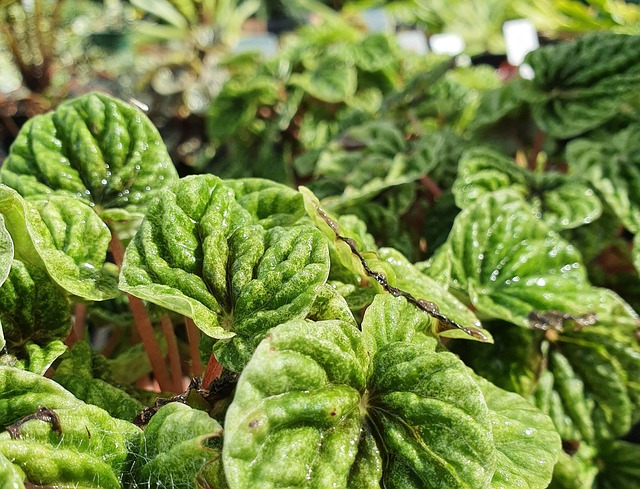
What's Happening
Peperomia overwatering damage occurs when soil remains moist for extended periods, creating anaerobic conditions below 2mg/L dissolved oxygen. The plant's succulent-like stems and rhizomes store water reserves, making it highly susceptible to Phytophthora and Pythium fungal pathogens in waterlogged soil. Unlike true succulents, Peperomias lack CAM photosynthesis efficiency—excess moisture triggers cellular rupture and root hair death within 7-10 days of saturation. Ceramic pots and moisture-retentive nursery mixes exacerbate the issue by preventing evaporation.
How to Fix It
- 1
Unpot immediately and inspect roots—trim all black, mushy tissue with sterilized shears
- 2
Treat remaining roots with 3% hydrogen peroxide solution (1:4 water ratio) for 20 minutes to oxygenate and kill pathogens
- 3
Air-dry plant 24-48 hours in bright indirect light to callus cut wounds
- 4
Repot in sterile, gritty mix: 40% peat, 40% perlite, 20% orchid bark
- 5
Resume watering only after 7-10 days; water sparingly using bottom-watering technique
- 6
Switch to terracotta pot to accelerate moisture evaporation through porous walls
What You'll Need
How to Prevent It
Adopt 'soak and dry' methodology: water thoroughly until drainage occurs, then allow complete soil dry-out before next watering. Use unglazed terracotta pots exclusively. Mix potting soil with 30-40% perlite or pumice for aeration. Maintain bright indirect light (2000-5000 lux) to increase transpiration and soil drying rates. Monitor with moisture meter set to 20-30% threshold.