Pests on peperomia
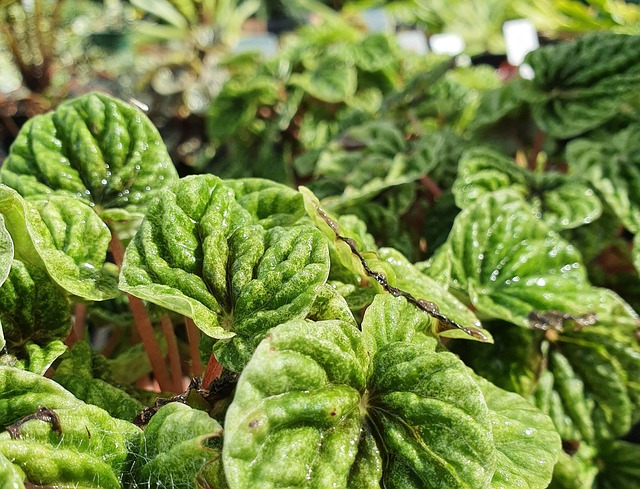
What's Happening
Peperomias attract spider mites (Tetranychus urticae) and develop powdery mildew (Oidium spp.) when low humidity (<40%) and stagnant air create favorable microclimates. Spider mites thrive in dry conditions, feeding on leaf undersides and causing stippling, webbing, and deformed leaves. Peperomia angulata and similar varieties with thin, succulent foliage are particularly susceptible—their waxy cuticle retains surface moisture, promoting fungal spore germination when airflow is insufficient. Low humidity also reduces plant vigor, making specimens more vulnerable to infestation.
How to Fix It
- 1
Magnify leaf undersides and new growth with flashlight—look for tiny moving specks, stippling, or fine webbing
- 2
Isolate affected plant immediately to prevent spread to collection
- 3
For spider mites: wipe leaves with 70% isopropyl alcohol on cotton swab, followed by neem oil spray every 3-5 days for 2-3 weeks
- 4
For powdery mildew: prune affected leaves, improve air circulation, apply potassium bicarbonate or diluted neem oil weekly
- 5
Boost humidity to 60%+ via humidifier to prevent recurrence and support plant recovery
- 6
Monitor weekly with photos; discard if infestation persists beyond 3 treatment cycles
What You'll Need
How to Prevent It
Maintain 50-70% relative humidity using humidifiers or pebble trays. Ensure consistent airflow with small fans operating 4-6 hours daily to disrupt fungal spore settlement and mite colonization. Quarantine new plants for 14 days. Inspect leaf undersides weekly with 10x loupe for early mite detection. Water from below to keep foliage dry.