Variegation Instability on philodendron brasil
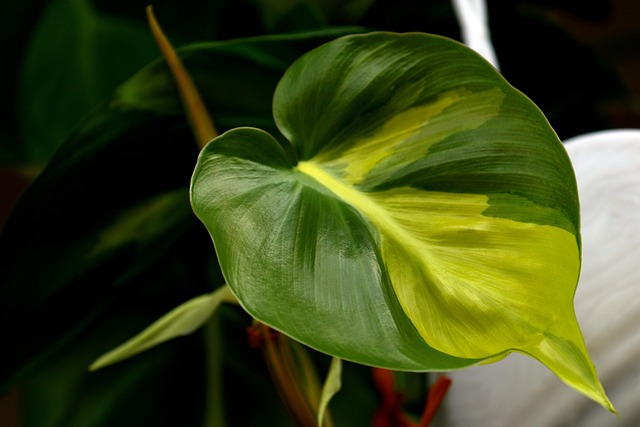
What's Happening
Philodendron Brasil occasionally produces fully yellow or albino-like leaves when environmental conditions fluctuate dramatically (light changes, temperature swings, or repotting stress). Unlike stable variegated tissue which contains both green and yellow cells, these albino leaves contain no functional chlorophyll and cannot photosynthesize. The plant produces them as a stress response when variegation genes become unstable. These leaves are fragile, short-lived, and indicate the plant needs environmental stabilization rather than propagation.
How to Fix It
- 1
Do not propagate albino cuttings - they lack chlorophyll and cannot survive independently
- 2
Allow the albino leaf to remain attached until it naturally senesces (the plant will reabsorb nutrients)
- 3
Increase bright indirect light (2000-5000 lux) to stabilize variegation patterns
- 4
Maintain consistent 60-80% humidity and 65-85°F temperatures to reduce stress
- 5
Monitor subsequent leaves: if albino production continues, prune back to the last stable variegated node to reset growth
How to Prevent It
Maintain consistent environmental conditions year-round; avoid sudden light changes or temperature drops; acclimate gradually when moving plants; provide stable bright indirect light to support variegation stability.