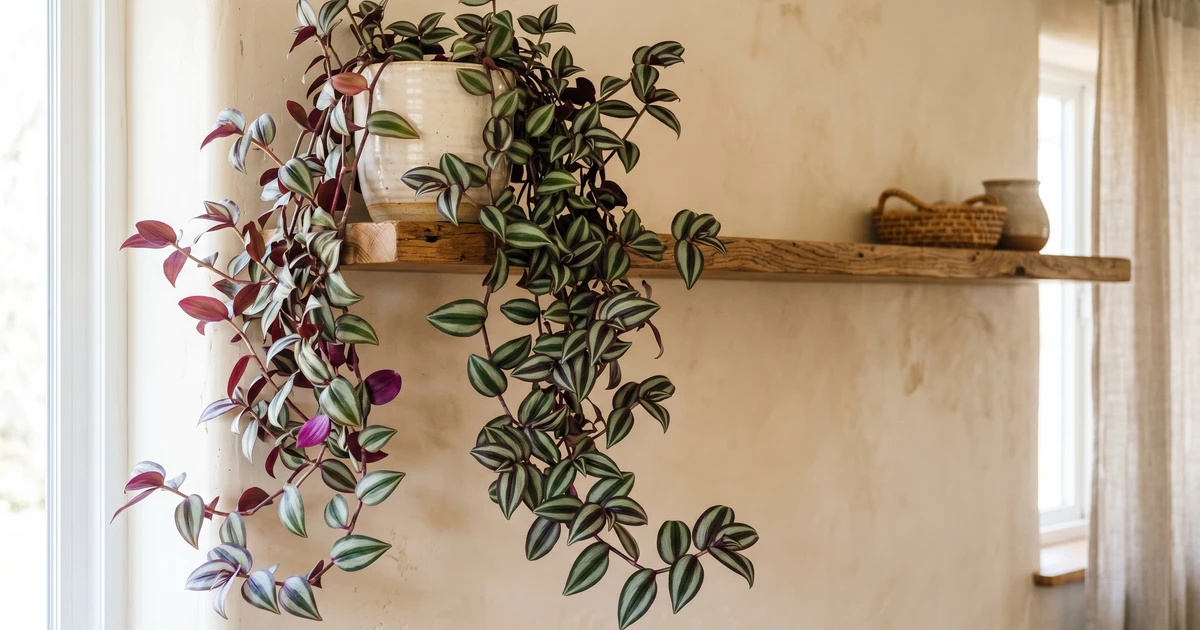
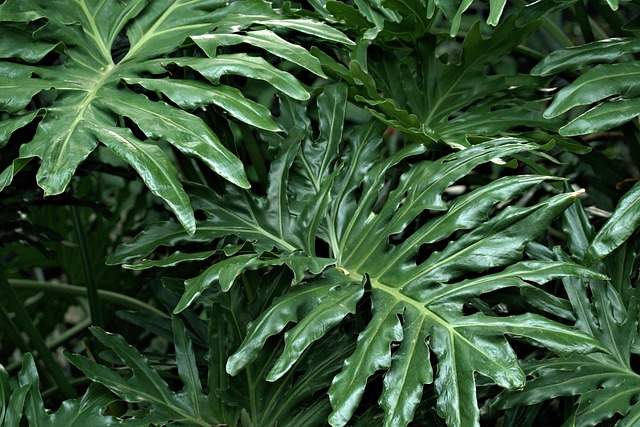
philodendron micans
Philodendron hederaceum var. hederaceum
Evidence-based care guide for Philodendron Micans (Philodendron hederaceum var. hederaceum). Covers symptom diagnosis and pest control. Our analysis draws from 3 verified community cases with an average confidence score of 86%. Each protocol is synthesized from real rescue outcomes, not generic advice.
Care Essentials
Get to Know Your Philodendron Micans
Watch the humidity — a little extra moisture in the air goes a long way with this plant.
Light
medium to bright indirect
Most comfortable in medium to bright indirect light. Avoid prolonged direct sun exposure.
💡 Grow lights: Thrives under artificial grow lights (LED or fluorescent, 10-12 hours/day). A great option if your space lacks natural light.
Watering
every 7-10 days
Water when the top 1-2 inches of soil feel dry. Adjust with the seasons — less in winter, more in summer.
Humidity & Temperature
Appreciates some humidity but adapts to average home conditions. Brown tips in winter? Your air might be too dry — a light misting helps.
Standard room temperature (60-80°F / 15-27°C) is perfect. Avoid cold drafts and sudden temperature swings.
Soil
Standard well-draining potting mix works well. Add perlite for extra drainage if you tend to overwater.
Care Requirements
At a Glance
Care Profile in Development
While our detailed care profile is being compiled, you can find specific care guidance in the 1 care-related diagnoses below — including watering schedules, light requirements, and propagation methods from real-world cases.
Go Deeper
Philodendron Rare Guide Pack
The complete protocol: advanced care, seasonal calendars, and rescue modules. Everything on this page, plus video walkthroughs.
Start Here
Most Common Problems
Based on 3 analyzed cases — these are the issues you're most likely to encounter
Don't see your symptom? Search all 3 topics below, or run the Diagnostic.
What are these brown spots on my Philodendron Micans?
Philodendron micans' velvety (pubescent) leaves are particularly susceptible to...
Why are my Philodendron Micans leaves turning yellow?
Philodendron micans develops yellowing leaves after 2+ years in the same pot...
Micans Care: Philodendron Micans Guide
Philodendron hederaceum 'Micans' is a trailing variety with velvety, iridescent...
Which of the 7 Killers
is threatening your plants?
We analyzed 1,616 documented plant deaths to identify the 7 causes behind 78% of all losses. Answer 5 questions — we'll tell you exactly which ones apply to your setup.
Skip the quiz — get The 7 Killers course ($19) →Question 1 of 5
How do you decide when to water your plants?
Question 2 of 5
Where do most of your plants live?
Question 3 of 5
What's your home environment like?
Question 4 of 5
Have you lost a plant in the last 6 months?
Question 5 of 5
How often do you check your plants for pests?
Your diagnosis is ready
We've identified your top 2 risk killers. Enter your email to see the full breakdown and your personalized rescue protocol.
Your plants are most at risk from:

The 7 Killers mini-course covers every one of these in depth — mechanism, rescue protocol, prevention. 1,616 cases. 7 lessons. $19.
Get The 7 Killers — $19 →Get the Plant Mortality Checklist
The 7 killers behind 78% of houseplant deaths — and the exact fix for each. Free PDF based on 1,616 documented cases.
Your checklist is ready!
We also sent it to your inbox. Check your email for the full download.
Open the ChecklistFree. No spam. Unsubscribe anytime.
Verified Data
All Diagnoses
3 topics consolidated from 3 documented cases. Expand any topic to see all protocols.
Symptoms (2 topics · 2 cases)
What are these brown spots on my Philodendron Micans?
Philodendron micans' velvety (pubescent) leaves are particularly susceptible to spider mite infestations that appear as brown or translucent stippling spots
89%
What are these brown spots on my Philodendron Micans?
Philodendron micans' velvety (pubescent) leaves are particularly susceptible to spider mite infestations that appear as brown or translucent stippling spots
Cause
Philodendron micans' velvety (pubescent) leaves are particularly susceptible to spider mite infestations that appear as brown or translucent stippling spots. The hairy leaf texture traps dust and provides ideal habitat for Tetranychus urticae mites. Unlike edema which causes water-soaked translucent spots or bacterial infection which creates angular lesions with halos, mite damage shows fine stippling pattern often with visible black dots (mite frass) and fine webbing on leaf undersides in advanced stages.
Solutions
- Quarantine plant immediately to prevent spread to collection
- Inspect leaf undersides with 10x loupe or phone macro lens for tiny motile specks and fine webbing
- Blast leaf undersides with strong water stream daily for 3-5 days to dislodge mites and eggs
- Apply neem oil or insecticidal soap (1% solution) every 3-5 days for 2-3 weeks, ensuring full coverage of undersides
- Introduce predatory mites (Phytoseiulus persimilis) for biological control if infestation persists
- Treat weekly with yellow sticky traps to monitor adult mite populations
Prevention
Maintain strict quarantine for new plants (14-30 days); keep humidity above 60% (spider mites thrive below 40%); provide good air circulation with fans; perform weekly leaf inspections with magnification; avoid over-fertilizing which attracts pests.
Why are my Philodendron Micans leaves turning yellow?
Philodendron micans develops yellowing leaves after 2+ years in the same pot due to root-binding and nutrient depletion
85%
Why are my Philodendron Micans leaves turning yellow?
Philodendron micans develops yellowing leaves after 2+ years in the same pot due to root-binding and nutrient depletion
Cause
Philodendron micans develops yellowing leaves after 2+ years in the same pot due to root-binding and nutrient depletion. The compact root system exhausts available nitrogen and micronutrients in the soil volume, causing chlorosis that typically starts with older lower leaves. Unlike overwatering which causes uniform yellowing with potential root rot, or underwatering which causes crispy brown edges, nutrient deficiency yellowing is diffuse and accompanied by slowed growth and smaller new leaves.
Solutions
- Inspect root ball: If roots circle the pot exterior or emerge from drainage holes, repot immediately
- Repot into fresh aroid mix (50% quality potting soil, 30% perlite, 20% orchid bark) in pot 2-4 inches larger
- Begin fertilizing 4 weeks post-repot with diluted balanced fertilizer (20-20-20 NPK at 1/4 strength) every 4-6 weeks during growing season
- Trim severely yellowed leaves to redirect energy to new growth
- Maintain consistent bright indirect light (2000-5000 lux) to support photosynthetic recovery
Prevention
Repot every 1-2 years or when roots circle pot; fertilize monthly during spring/summer with diluted liquid fertilizer; monitor growth rate as early indicator - slowed growth often precedes visible yellowing; use self-watering pots with reservoirs for consistent moisture without overwatering.
Care Methods (1 topics · 1 cases)
Micans Care: Philodendron Micans Guide
Philodendron hederaceum 'Micans' is a trailing variety with velvety, iridescent foliage that shimmers copper-green in bright light
85%
Micans Care: Philodendron Micans Guide
Philodendron hederaceum 'Micans' is a trailing variety with velvety, iridescent foliage that shimmers copper-green in bright light
Cause
Philodendron hederaceum 'Micans' is a trailing variety with velvety, iridescent foliage that shimmers copper-green in bright light. The velvet texture results from dense trichomes (hair-like structures) that increase light capture efficiency but also trap moisture, making the leaves susceptible to fungal issues if kept wet. As a cultivar of the heartleaf philodendron, it is more drought-tolerant than other varieties but requires consistent humidity to maintain velvet texture.
Solutions
- Position in bright indirect light (east-facing window ideal) to maximize iridescent copper-green color
- Avoid misting—velvet leaves trap moisture and develop fungal spots
- Allow soil to dry 2 inches deep between waterings—more forgiving of underwatering than overwatering
- Trim long bare vines and propagate cuttings to maintain full appearance
- Use well-draining mix with extra perlite for this trailing variety
Prevention
Provide bright indirect light to enhance iridescence; maintain 50-60% humidity; avoid misting leaves directly—velvet texture traps moisture; water when top 2 inches dry; ensure excellent drainage.
Common Questions
Frequently Asked Questions
Why does my philodendron micans have Brown spots from spider mites?
Cause: Philodendron micans' velvety (pubescent) leaves are particularly susceptible to spider mite infestations that appear as brown or translucent stippling spots. The hairy leaf texture traps dust and provides ideal habitat for Tetranychus urticae mites. Unlike edema which causes water-soaked translucent spots or bacterial infection which creates angular lesions with halos, mite damage shows fine stippling pattern often with visible black dots (mite frass) and fine webbing on leaf undersides in advanced stages.
Solution: Quarantine plant immediately to prevent spread to collection
Prevention: Maintain strict quarantine for new plants (14-30 days); keep humidity above 60% (spider mites thrive below 40%); provide good air circulation with fans; perform weekly leaf inspections with magnification; avoid over-fertilizing which attracts pests.
89% confidence · View full protocol →
Why does my philodendron micans have Yellow leaves from nutrient deficiency?
Cause: Philodendron micans develops yellowing leaves after 2+ years in the same pot due to root-binding and nutrient depletion. The compact root system exhausts available nitrogen and micronutrients in the soil volume, causing chlorosis that typically starts with older lower leaves. Unlike overwatering which causes uniform yellowing with potential root rot, or underwatering which causes crispy brown edges, nutrient deficiency yellowing is diffuse and accompanied by slowed growth and smaller new leaves.
Solution: Inspect root ball: If roots circle the pot exterior or emerge from drainage holes, repot immediately
Prevention: Repot every 1-2 years or when roots circle pot; fertilize monthly during spring/summer with diluted liquid fertilizer; monitor growth rate as early indicator - slowed growth often precedes visible yellowing; use self-watering pots with reservoirs for consistent moisture without overwatering.
85% confidence · View full protocol →
Why does my philodendron micans have Micans care?
Cause: Philodendron hederaceum 'Micans' is a trailing variety with velvety, iridescent foliage that shimmers copper-green in bright light. The velvet texture results from dense trichomes (hair-like structures) that increase light capture efficiency but also trap moisture, making the leaves susceptible to fungal issues if kept wet. As a cultivar of the heartleaf philodendron, it is more drought-tolerant than other varieties but requires consistent humidity to maintain velvet texture.
Solution: Position in bright indirect light (east-facing window ideal) to maximize iridescent copper-green color
Prevention: Provide bright indirect light to enhance iridescence; maintain 50-60% humidity; avoid misting leaves directly—velvet texture traps moisture; water when top 2 inches dry; ensure excellent drainage.
85% confidence · View full protocol →
Common Questions
Frequently Asked About Philodendron Micans
What problems can Philodendron Micans get?
Our database contains 3 documented Philodendron Micans cases covering 3 distinct topics, including diseases, pest identification, environmental stress, propagation, and advanced care protocols — each with verified solutions.
Master This Plant
Want the Complete Protocol?
Get the Philodendron Rare Guide Pack with video walkthroughs, seasonal calendars, and advanced rescue techniques not covered in the free guides.